Blog
China Top Private Label Dry Cat Food Suppliers?
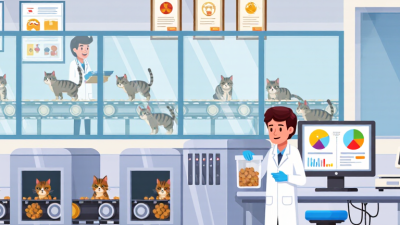
Choosing China’s top Private Label Dry Cat Food suppliers requires more than comparing prices or attractive catalogs. A reliable partner should demonstrate practical manufacturing experience, stable ingredient sourcing, and consistent quality controls. Factory certifications matter, but they should not replace direct verification. Buyers need clear evidence, including production records, laboratory reports, and traceability documents.
This outline examines how to assess Chinese suppliers for private label cat food projects. It considers protein sources, grain-free formulas, kibble size, palatability testing, moisture levels, and nutritional consistency. Packaging quality also deserves attention. Weak seals can affect freshness during long-distance shipping. A professional supplier should explain minimum order quantities, sample procedures, production timelines, and corrective actions.
Details matter.
Supplier websites often present polished claims. However, real performance may differ between samples and large production batches. Requesting a pre-production sample, recent certificate of analysis, and batch photographs can reveal important gaps. Independent testing may provide stronger confidence when budgets allow. Still, no supplier is perfect for every brand, market, or price position. A company experienced with standard recipes may struggle with sensitive-stomach formulas or specialized nutrition.
The following discussion focuses on evidence-based supplier selection rather than unsupported rankings. It highlights practical questions, warning signs, and communication standards. Readers can use these points to compare factories more fairly and build a dependable Private Label Dry Cat Food supply chain. Careful review takes time. That inconvenience is usually cheaper than correcting inconsistent quality later.
Read more »
 By:Charlotte
- September 17, 2026
By:Charlotte
- September 17, 2026

10 Tips for Sourcing Private Label Wet Dog Food
Launching a reliable Private Label Wet Dog Food line requires more than an attractive can and a competitive quote. Buyers must examine nutrition, ingredient quality, manufacturing controls, and supplier consistency. The product should suit a clear dog-owner need, such as sensitive digestion, high meat content, or convenient portion sizes. Claims must remain accurate and supported by product records.
Details matter.
Experienced sourcing teams request complete ingredient specifications, moisture levels, guaranteed analysis, laboratory results, and shelf-life evidence. They also review factory hygiene, batch traceability, allergen controls, and quality-assurance procedures. A supplier should explain how it manages recipe changes, damaged cans, production delays, and customer complaints. These conversations often reveal more than a polished product presentation.
Packaging deserves practical attention. Check can seams, pull-tab strength, carton durability, storage conditions, and shipping performance. A sample may look perfect on a desk but arrive dented after a long route. That test can be uncomfortable, yet it prevents expensive surprises. Minimum order quantities, lead times, payment terms, and repeat-production capacity also shape the real cost.
No sourcing plan is flawless. A promising formula may need better palatability testing, clearer labeling, or stronger documentation. Buyers should compare several manufacturers instead of trusting one impressive sample. They should also verify local food-safety and labeling requirements before placing an order. The following ten tips provide a practical framework for evaluating suppliers, reducing avoidable risks, and building a Private Label Wet Dog Food brand that earns customer confidence over time.
Read more »
 By:Ethan
- September 17, 2026
By:Ethan
- September 17, 2026
Why Choose Grain Free Dog Food Manufacturing?
Why Choose Grain-Free Dog Food Manufacturing? The answer begins with a careful look at modern pet-owner expectations. Many customers seek recipes with alternative carbohydrates, visible meat ingredients, and clear production standards. Grain-Free Dog Food Manufacturing can respond to these preferences, but it should never rely on marketing alone.
Dr. Lisa Freeman, a veterinary nutritionist and professor at Tufts University, cautions, “The problem isn’t grain-free diets, per se, but rather the ingredients that are used to replace grains.” Her observation keeps the discussion grounded. Removing grains does not automatically create a healthier formula. Manufacturers must evaluate protein quality, amino-acid balance, fiber sources, fat levels, and essential micronutrients. Every ingredient has a job.
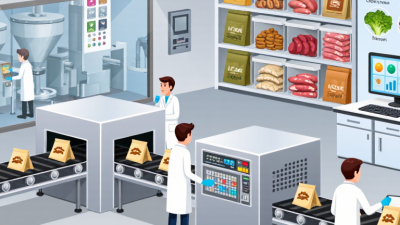
Quality starts on the factory floor. Imagine sealed ingredient bins, calibrated scales, controlled mixing, and batch records that trace each bag backward. Reliable facilities also test incoming materials and verify finished products through laboratory analysis. Feeding trials can provide stronger evidence than attractive packaging. So can transparent sourcing.
There are practical advantages. Grain-free recipes may support targeted product lines, novel carbohydrate options, and differentiated retail positioning. Yet the category has blind spots. Some formulas may replace grains with excessive legumes or starches without sufficient nutritional reasoning. That deserves scrutiny.
The strongest manufacturers stay cautious. They consult veterinary nutritionists, review emerging research, and adjust recipes when evidence changes. This is not the easiest path. It is the responsible one. Grain-Free Dog Food Manufacturing succeeds when innovation remains connected to animal health, measurable quality, and honest communication.
Read more »
By:Charlotte
- September 17, 2026