0%

China’s contract pet treat sector has become a practical option for brands seeking flexible production, competitive pricing, and scalable capacity. Yet “best” cannot mean the lowest quotation. It must mean dependable quality.

Contract Pet Treat Production involves more than mixing ingredients and filling bags. A capable partner should show clear sourcing records, batch identification, allergen controls, sanitation procedures, and documented testing. Factory visits matter. So do independent audits.

Dr. Lisa M. Freeman, a veterinary nutritionist at Tufts University, states, “Treats should make up no more than 10% of your pet’s daily calories.” This reminder connects manufacturing decisions with responsible pet care. A supplier should therefore support accurate feeding guidance, consistent recipes, and transparent nutritional information.

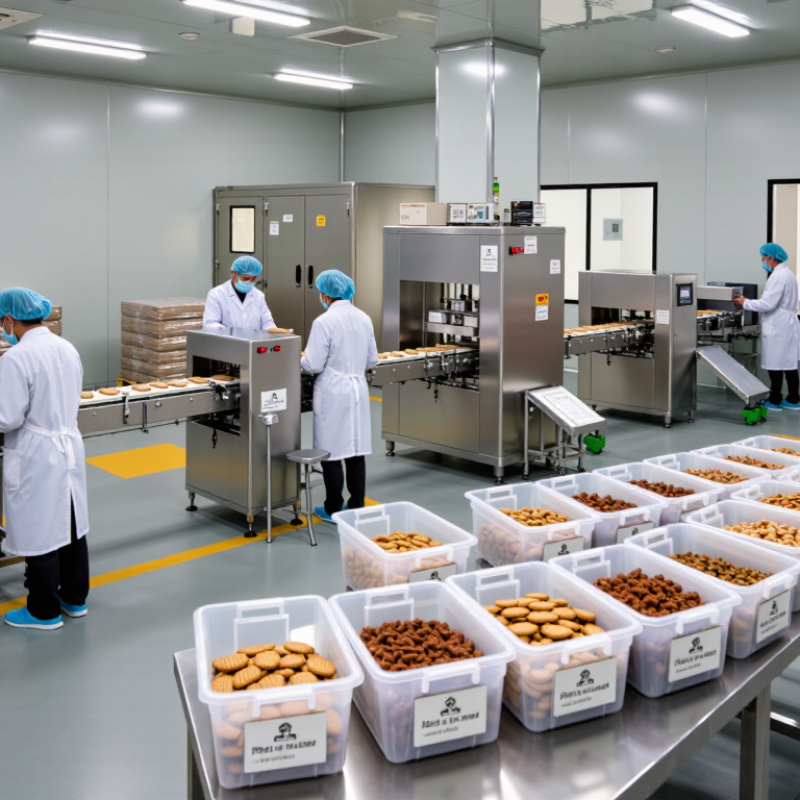
Look closely at the production floor. Are raw materials labeled and separated? Are finished treats protected from moisture? Can the factory explain its recall process without hesitation? These details often reveal more than polished presentations.

China offers broad manufacturing capabilities, including baked biscuits, freeze-dried meat, dental chews, and functional treats. However, product quality can vary between factories. A low minimum order quantity may hide limited testing capacity. A beautiful sample may not represent mass production.

No factory is perfect. Buyers should expect questions, corrections, and occasional delays. The stronger partner responds with evidence, not excuses. This article examines how to compare Chinese manufacturers, verify their expertise, protect product consistency, and build a safer long-term supply relationship. The goal is not simply to find a producer. It is to find a responsible partner that can earn trust batch after batch.

What Is China Best Contract Pet Treat Production?

Definition of Contract Pet Treat Production in China

Contract pet treat production in China means hiring an independent manufacturer to develop, produce, test, and package treats under a buyer’s specifications. The buyer may provide a recipe, ingredient limits, texture target, or package design. The factory then manages sourcing, batching, drying, sealing, and export documentation. Ownership and responsibilities must be written clearly.

The market is substantial. The American Pet Products Association reported U.S. pet industry spending of about 147 billion dollars in 2023. FEDIAF’s 2024 facts report counted more than 139 million European households with pets. These figures explain the demand for private-label and customized treats. Yet volume alone does not define the best supplier.

A reliable Chinese producer should show HACCP-based controls, relevant food-safety certification, batch traceability, and independent laboratory testing. During an audit, inspect stainless-steel mixing areas, ingredient labels, moisture testing, and sealed sample retention. Ask for recent results covering microbiology, heavy metals, and prohibited residues. A serious supplier should explain corrective actions, not only display certificates. Small details matter.

The lowest quotation can hide weak controls. That is a common mistake. Product development should include pilot batches, shelf-life observation, packaging trials, and written approval records. APPA and FEDIAF data show strong demand, but they do not guarantee product success. “Best” contract production means a documented match between technical capability, transparency, capacity, and the buyer’s risk requirements.

How China’s Pet Treat Manufacturing Process Works

China’s contract pet treat production usually begins with a detailed product brief. The buyer defines the pet species, treat size, texture, ingredients, target nutrition, packaging, and expected volume. A capable manufacturer then reviews the formula and suggests practical adjustments. Some ingredients may absorb more moisture than expected. That can change texture and shelf life.

The process continues with supplier checks and small-batch trials. Technicians measure raw materials, mix the dough or meat blend, and test shaping, drying, or baking conditions. Temperature and humidity are recorded at each stage. Samples are examined for moisture, weight, appearance, odor, and microbial safety. The factory should also maintain batch codes and ingredient records. These details support traceability when questions arise.

Production begins only after the sample receives approval. Workers inspect incoming materials before controlled processing starts. During packing, sealed bags are checked for correct labels, weight, and physical damage. Independent laboratory testing can provide additional evidence for nutritional and safety claims. Export documents must match the destination market’s requirements. The process is organized, but it is not automatically perfect. A treat can pass a visual check and still need better texture control. Regular audits, retained samples, and honest communication help correct those weaknesses. Experienced buyers often visit the facility or appoint a local quality inspector before larger orders. That extra step costs time, but it may prevent expensive surprises.

Key Standards for Evaluating Chinese Contract Producers

What Is China Best Contract Pet Treat Production?

Key Standards for Evaluating Chinese Contract Producers

“Best” should mean measurable control, not the lowest quotation. APPA’s 2024 State of the Industry report valued U.S. pet spending at about 152 billion dollars. FEDIAF’s 2024 facts report counted more than 299 million pets in Europe. This demand increases pressure on suppliers to deliver safe, consistent treats. A reliable Chinese contract producer should show HACCP-based controls, ISO 22000 certification, complete ingredient specifications, and recent third-party audit results.

Walk through the factory, not only the presentation room. Check raw-material receiving, separate allergen storage, cooking temperatures, drying records, and packing-room hygiene. Ask for batch-level traceability from supplier lot to finished carton. Review testing for Salmonella, moisture, water activity, heavy metals, and foreign materials. Shelf-life evidence should reflect the real package, climate, and distribution route. Certificates alone are insufficient.

APPA data also shows continued consumer spending on premium pet products, but premium claims require documented proof. Request recent certificates of analysis and a realistic mock-recall record. The producer should explain rejected batches without hesitation. That matters. A polished audit file can still hide weak daily discipline. Small pilot runs may reveal uneven texture, seal failures, or flavor inconsistency. Some factories perform well during audits but struggle with rapid production changes. Evaluate communication speed, corrective-action quality, and sample-to-batch consistency before signing a long-term agreement.

What Is China Best Contract Pet Treat Production? - Key Standards for Evaluating Chinese Contract Producers

Evaluation Dimension Recommended Acceptance Standard Evidence to Request Suggested Weight
Regulatory and Export Compliance The producer should hold the registrations, permits, and export approvals required for the destination market and product category. Current licenses, registration records, export documentation, and destination-market compliance checklist. 15%
Food Safety Management System A documented HACCP-based system is expected. Third-party certification such as ISO 22000 or FSSC 22000 provides additional assurance but should not replace an on-site audit. Valid certificates, scope statements, internal audit records, corrective-action reports, and sanitation procedures. 15%
Raw-Material Control Every ingredient should have an approved supplier, specification, lot identification, allergen status, and documented incoming inspection. Approved-supplier list, certificates of analysis, ingredient specifications, receiving records, and allergen-control plan. 12%
Microbiological Safety Finished products should be tested against the limits applicable to the destination market, with pathogen controls appropriate to the recipe and process. Recent batch test reports, laboratory accreditation details, environmental monitoring results, and pathogen-control procedures. 12%
Chemical and Contaminant Testing Testing should address relevant risks such as heavy metals, mycotoxins, pesticide residues, veterinary-drug residues, and oxidation, depending on ingredients and market requirements. Independent laboratory reports, risk-based testing schedule, method references, and product-release records. 10%
Process Validation and Consistency Critical parameters such as cooking or drying temperature, time, moisture, water activity, and cooling conditions should be defined, monitored, and recorded. Process flow diagram, critical-control-point records, validation studies, batch records, and retained samples. 10%
Traceability and Recall Readiness The producer should be able to trace ingredients and packaging to finished lots and complete a documented mock recall within one business day. Lot-coding procedure, traceability exercise, mock-recall report, distribution records, and recall communication plan. 10%
Packaging and Shelf-Life Protection Packaging should protect against moisture, oxygen, light, leakage, and physical damage. Shelf-life claims should be supported by stability or storage data. Packaging specifications, seal-integrity tests, storage studies, migration documents where applicable, and shelf-life rationale. 8%
Product Development Capability The producer should support formulation trials, pilot batches, nutritional review, palatability assessment, and controlled specification changes. Pilot-batch records, formulation specifications, nutritional analysis, sample-development timeline, and change-control procedure. 5%
Quality Agreement and Customer Support A written agreement should define specifications, testing, nonconformance handling, complaint response, confidentiality, intellectual property, and audit rights. Draft quality agreement, service-level terms, complaint log, corrective-action records, and communication contacts. 3%
Total Evaluation Weight 100%
Evaluation note: Certification status, laboratory reports, and compliance claims should be independently verified and assessed against the regulations of the intended destination market. A documented on-site audit and a successful pilot batch are recommended before commercial production.

Product Types and Customization Options for Pet Treats

What Makes China a Strong Option for Contract Pet Treat Production?

Choosing a contract pet treat producer in China starts with product fit, not a low quotation. Common formats include soft chews, baked biscuits, jerky-style strips, dental treats, freeze-dried pieces, and functional snacks. Each format needs different moisture control, texture testing, and packaging protection. Soft treats may suit older dogs, while small training bites support frequent rewards. Cat treats often require smaller cuts and stronger aroma. These distinctions sound simple. They are not.

Customization can cover recipes, shapes, sizes, colors, textures, flavor profiles, and pack formats. A producer may develop chicken-shaped bites, single-protein recipes, grain-free formulas, or treats with measured nutrients. Claims need careful review. “Natural” or “functional” wording should match ingredient records and local labeling rules. Ask for allergen controls, batch coding, shelf-life data, and finished-product testing. I would request a pilot batch before approving full production. Samples reveal problems that spreadsheets miss.

Reliable cooperation depends on clear specifications and traceability. Share the target animal, treat weight, moisture range, ingredients, packaging material, and expected shelf life. Confirm testing for pathogens, heavy metals, moisture, and nutritional values through qualified laboratories. A site audit can examine sanitation, storage temperature, pest control, and staff hygiene. Do not rely on photographs alone. Some customization requests fail because texture changes after packaging. That surprised me. Allow time for adjustment, retesting, and honest feedback before scaling production.

How to Select a Suitable Chinese Production Partner

What Is China Best Contract Pet Treat Production?

How to Select a Suitable Chinese Production Partner

China’s pet treat sector requires more than low pricing and attractive packaging. The 2023 China Pet Industry White Paper reported that urban dog and cat consumption reached approximately RMB279.3 billion. This scale creates strong manufacturing capacity, but quality still varies between factories. Select a partner with documented experience in your treat type, target market, and required production volume.

Ask to inspect the facility, not only its sample room. Look for sealed ingredient bins, clean stainless-steel surfaces, controlled drying areas, and clearly separated allergen zones. Request HACCP or ISO 22000 certificates, recent audit reports, batch records, and laboratory certificates of analysis. A reliable producer should explain raw-material approval, microbial testing, metal detection, and retained-sample storage. The Global Food Safety Initiative stresses that certified systems support consistent food-safety management, but certificates cannot replace factory verification.

Review the supplier’s traceability test. Can it identify every ingredient lot within hours? Can it provide moisture, protein, and microbiological results for each batch? The European Pet Food Industry Federation reported more than 139 million European households owned a pet in 2023, showing why dependable supply matters across export markets. Still, a large factory may not suit a small launch. I would compare three samples after storage testing, not just after opening the pouch. Taste may pass today. Texture may fail later. Clarify minimum order quantities, mold ownership, lead times, recall procedures, and communication responsibilities in writing. A low quotation can hide weak testing or costly rework.

FAQS

How does contract pet treat production usually begin?

It begins with a product brief covering the animal, ingredients, size, texture, nutrition, packaging, and order volume. A formula may need adjustment because ingredients can absorb moisture unexpectedly.

What happens during small-batch trials?

Technicians measure ingredients, mix the blend, and test shaping, drying, or baking conditions. They record temperature and humidity. Samples are checked for moisture, weight, odor, appearance, and microbial safety.

What information supports product traceability?

Batch codes, ingredient records, laboratory results, and retained samples help trace each production lot. A factory should identify ingredient sources and batch details quickly. That matters.

Which pet treat formats can be customized?

Options may include soft chews, baked biscuits, jerky-style strips, dental treats, freeze-dried pieces, and functional snacks. Customization can cover shape, size, color, texture, recipe, flavor, and packaging format.

How should a buyer test a customized treat?

Request a pilot batch before approving full production. Check texture, weight, odor, moisture, packaging, and shelf-life behavior. A treat may look fine when opened, then become too hard later. Test it.

What factory conditions should a buyer inspect?

Look for sealed ingredient bins, clean stainless-steel surfaces, controlled drying areas, and separated allergen zones. Also review storage temperature, pest control, staff hygiene, metal detection, and sanitation procedures. Photographs are not enough.

Which documents and tests should a producer provide?

Request recent audit records, food-safety system certificates, batch documents, and laboratory certificates of analysis. Testing may include pathogens, heavy metals, moisture, protein, and nutritional values. Certificates help, but factory verification still matters.

What commercial details should be agreed in writing?

Confirm minimum order quantities, mold ownership, lead times, packaging specifications, testing duties, recall procedures, and communication responsibilities. A low quotation may hide weak testing or expensive rework. That surprised me.

Conclusion

Contract Pet Treat Production in China refers to working with a specialized manufacturer to develop and produce pet snacks according to a buyer’s specifications. The process typically includes ingredient selection, recipe development, sampling, production planning, quality inspections, packaging, and shipment preparation. Product options may include biscuits, soft chews, freeze-dried items, dental treats, and functional snacks, with customization available for ingredients, shapes, sizes, textures, nutritional goals, and packaging formats.

When evaluating a Chinese contract producer, buyers should review food safety systems, ingredient traceability, laboratory testing, production capacity, quality control procedures, certifications, and communication efficiency. A suitable partner should provide clear documentation, consistent sample quality, transparent pricing, reliable lead times, and flexible minimum order quantities. Careful assessment of manufacturing facilities, technical expertise, customization capabilities, and after-sales support can help ensure that the final pet treats are safe, consistent, appealing, and aligned with the intended market requirements.

Elowen

Elowen

Elowen is a dedicated marketing professional who combines strategic insight, industry knowledge, and a genuine understanding of customer needs. As a key contributor to our company, Elowen has developed a deep professional understanding of our products, services, and the practical value they deliver......