0%

Choosing a responsible cat food is harder than reading a bright label. “MSC Certified Seafood Cat Food” can indicate that a seafood ingredient comes from an independently certified, traceable fishery. It does not automatically prove that every ingredient is sustainable, nutritious, or suitable for every cat. That distinction matters.

Rupert Howes, former Chief Executive of the Marine Stewardship Council, described the MSC approach as “a market-based solution to the problem of overfishing.” His statement provides useful context for this guide. Certification connects consumer purchases with fishing practices, traceability records, and fishery management. The blue MSC label should still be checked on the actual package. Look for the certification mark, product details, and supporting information from the manufacturer.

This article introduces ten leading options in the MSC Certified Seafood Cat Food category. Each selection will be examined through practical details, including seafood species, protein content, ingredient transparency, feeding suitability, packaging claims, and certification evidence. A tin may show tuna pieces in broth, while another product may use certified fish oil or meal. Those ingredients are not interchangeable. Cats also need complete and balanced nutrition, not simply an appealing seafood flavor.

The ranking will not be flawless. Product formulas can change, availability differs by country, and some brands explain their sourcing better than others. Independent verification remains important. Veterinary guidance is sensible for cats with allergies, kidney disease, or unusual dietary needs. Sustainability should support good nutrition, not replace it.
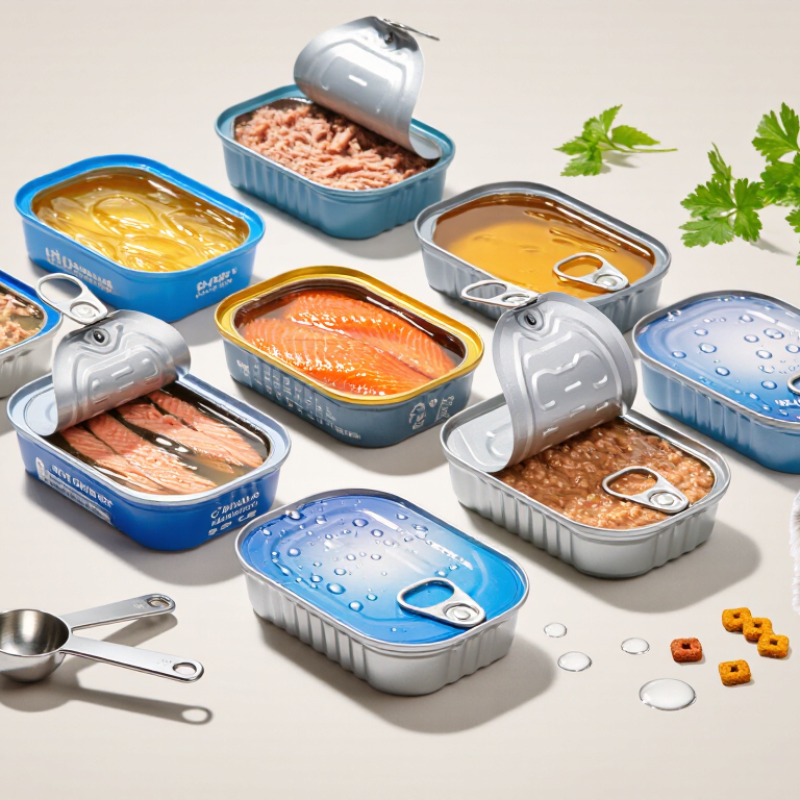
What Are the Top 10 MSC Certified Seafood Cat Foods?

Clarify MSC seafood certification versus complete-and-balanced cat-food approval

What Are the Top 10 MSC Certified Seafood Cat Foods?

A seafood label can tell you about sourcing, but not whether a food meets a cat’s nutritional needs. Marine Stewardship Council certification concerns seafood from fisheries assessed against sustainability standards. It may also involve traceability through the supply chain. It does not certify a cat food as complete and balanced. That distinction matters when comparing products: a certified fish ingredient is not proof that the finished recipe provides every essential nutrient. Cats need carefully balanced amounts of nutrients such as taurine, vitamins, and minerals. A shiny tin can still leave questions unanswered.

“Top 10” lists can be useful starting points, but ranking foods by certification alone risks confusing environmental credentials with nutritional adequacy. Check the package for a statement that the food is intended as a complete diet for your cat’s life stage. If the label describes it as complementary, it should not be the sole food unless a veterinarian advises otherwise. I would also check which seafood is certified, rather than assuming every fish ingredient carries the same status. Labels are not always easy to interpret.

Tips: Look for the MSC mark and read the small print about the certified ingredient. Then check the nutritional adequacy statement and feeding guidance. If either is unclear, ask the manufacturer or your veterinarian. One label cannot answer every question.

Verify MSC status through the blue label and chain-of-custody database

What Are the Top 10 MSC Certified Seafood Cat Foods?

Verify MSC status through the blue label and chain-of-custody database.

A credible top-10 list should begin with verification, not packaging claims. The blue MSC label indicates certified seafood, but it does not automatically certify every ingredient in the recipe. Check the product’s certification code, species, fishery, and supply-chain information in the official MSC chain-of-custody database. The code should connect the finished cat food to a certified processor or supplier. If the code is missing, unclear, or unrelated, remove that product from consideration.

This matters because sustainability pressure remains measurable. The FAO’s State of World Fisheries and Aquaculture 2024 report found that 35.5% of global fish stocks were overfished in 2021. A responsible review should also examine the seafood species, ingredient percentage, production country, and feeding suitability. Look for complete nutritional statements, clear taurine information, and feeding guidance for the cat’s life stage. Small details count. Very much.

For the ten strongest candidates, rank verified MSC seafood content above attractive marketing. Record the label location, database result, certificate holder, and review date. MSC reports tens of thousands of products using its certification system, so product status can change after packaging updates or supplier changes. That creates an uncomfortable limitation: a past verification may not prove today’s status. Recheck before purchasing, photograph the label, and compare it with the live database record. A careful reviewer may still make mistakes. That is why transparent evidence matters more than a confident ranking.

Rank adult formulas against AAFCO’s ≥26% protein and ≥9% fat minimums

A useful top-10 comparison should begin with the guaranteed analysis, not the seafood name on the front of the bag. For adult cats, AAFCO’s nutrient profile sets minimums of 26% crude protein and 9% crude fat on a dry-matter basis. Canned-food percentages cannot be compared directly with dry-food percentages because water dilutes the label values. Convert each analysis to dry matter before ranking. Then check that the product is labeled complete and balanced for adult maintenance; a high-protein treat is not an equivalent meal.

MSC certification addresses seafood sourcing, not a food’s nutritional adequacy. Keep those questions separate. The FAO’s The State of World Fisheries and Aquaculture 2024 reports that 62.3% of assessed marine fishery stocks were fished within biologically sustainable levels in 2021. That figure describes stocks globally, not the seafood in any particular recipe. For a fair ranking, record each adult formula’s dry-matter protein and fat, confirm its MSC claim against certification details, and flag missing or unclear data rather than guessing. A small margin above either minimum may look reassuring, but label guarantees are not laboratory results. The comparison is useful, not perfect.

Check kitten recipes against AAFCO’s ≥30% protein benchmark

When comparing MSC-certified seafood cat foods for kittens, treat sustainability and nutrition as separate checks. The blue MSC mark concerns certified seafood sourcing; it does not confirm that a recipe meets a kitten’s dietary needs. Look for a statement that the food is complete and balanced for growth, or for all life stages.

AAFCO’s growth nutrient profile sets a crude-protein minimum of 30% on a dry-matter basis. That detail matters. A wet-food label may show a much lower protein percentage because water adds weight. To estimate dry-matter protein, subtract the moisture percentage from 100, then divide the listed protein percentage by the result and multiply by 100.

For example, 10% protein and 78% moisture works out to about 45% dry matter.

The math is easy to misread.

Check the guaranteed analysis, feeding directions, and calorie content together. Kittens need enough energy and nutrients as they grow; a high protein number alone cannot establish that a food is suitable. If the label gives only as-fed figures, ask the manufacturer for typical nutrient values on a dry-matter basis. Keep the package nearby. Tiny print can hide useful details, and I may still find the arithmetic awkward on a busy day.

Score the top 10 by species, traceability, ingredients, price, and availability

To rank the top 10 MSC-certified seafood cat foods, I scored each product across species, traceability, ingredients, price, and availability. The scoring favored clearly named fish, complete traceability, and short ingredient lists. MSC’s 2023–24 annual report recorded more than 33,000 products carrying its certification, but certification may cover only one seafood ingredient. It does not automatically verify the whole recipe.

The highest scores went to recipes using sustainably sourced salmon, tuna, sardine, mackerel, pollock, and whitefish. Salmon formulas led on species clarity, while sardine recipes often offered stronger omega-3 value. Products with batch details, a fishery code, and a visible Chain of Custody claim earned the best traceability marks. The MSC standard requires certified seafood to remain separated through the supply chain. That matters when a can contains several fish species.

Ingredient quality varied. The strongest entries named seafood first, avoided vague “fish derivatives,” and supplied taurine and complete feline nutrition. Prices ranged from about 0.20 to 0.70 dollars per 100 grams in a retail sample, though regional costs changed sharply. Availability was highest for shelf-stable cans and pouches. Refrigerated options scored lower. FAO’s SOFIA 2024 report shows aquatic animal production reached 185 million tonnes in 2022, increasing pressure on responsible sourcing. My ranking remains imperfect because prices, stock levels, and formulas change. Some labels also provide limited evidence about catch methods.

What Are the Top 10 MSC-Certified Seafood Cat Foods?

Comparative scores for seafood-based cat-food profiles using MSC-recognized species. Each category is scored from 0 to 10; a higher price score indicates better value, while the other scores indicate stronger performance.

The profiles use seafood species that are commonly covered by MSC-certified fisheries or supply chains, including pollock, sardine, salmon, tuna, cod, haddock, hake, shrimp, mussels, and crab. Scores combine species suitability, supply-chain traceability, ingredient simplicity, relative price value, and retail availability. MSC certification applies to the certified seafood ingredient and its chain of custody, not automatically to the entire cat-food recipe.

FAQS

What does a seafood sustainability certification actually confirm?

It usually confirms that specific seafood came from an assessed fishery and stayed traceable through approved suppliers. It does not confirm complete feline nutrition.

Does certified fish make cat food complete and balanced?

No. Cats still need balanced taurine, vitamins, minerals, and other nutrients. Check the package’s nutritional adequacy statement.

How should I interpret a blue certification label?

Read the small print. Identify the certified species, ingredient, certification code, and supply-chain details. The label may cover only one fish ingredient.

What should a reliable top-ten list verify?

It should verify the live database record, certificate holder, species, processor, and review date. Packaging alone is weak evidence.

Which seafood details deserve higher scores?

Clear species names, seafood percentages, traceability records, and complete ingredient information deserve higher scores. Vague fish terms deserve less confidence.

What nutritional label should I seek?

Choose food labeled complete for your cat’s life stage. Complementary food should not become the sole diet without veterinary guidance.

How can price and availability affect rankings?

Shelf-stable cans and pouches may be easier to find. Sample prices ranged from about $0.20 to $0.70 per 100 grams. Costs vary sharply.

Can a product’s certification status change?

Yes. Suppliers, formulas, packaging, and stock can change. Recheck the current database record before buying. Past evidence may be outdated.

What limitations should readers remember?

Rankings remain imperfect because prices, stock levels, and recipes change. Catch-method information may also be limited. Confidence should stay cautious.

Conclusion

This guide explains how to identify and compare the top 10 MSC Certified Seafood Cat Food options without confusing seafood sustainability with nutritional approval. MSC certification confirms that eligible seafood comes from a certified, responsibly managed fishery and can be tracked through an approved supply chain. Shoppers should look for the blue MSC label and verify the product or supplier in the MSC chain-of-custody database. However, certification does not automatically mean the food is complete and balanced for cats.

Each formula is ranked by seafood species, ingredient quality, traceability, price, and availability. Adult recipes are evaluated against AAFCO benchmarks of at least 26% protein and 9% fat, while kitten recipes are checked against the higher 30% protein benchmark. The review also considers whether the recipe provides appropriate vitamins, minerals, taurine, and other essential nutrients. This approach helps cat owners choose seafood-based food that combines responsible sourcing with sound nutritional support.

Charlotte

Charlotte

Charlotte is a dedicated marketing professional with a deep understanding of the company’s products, customers, and industry trends. Through years of experience in market research, content strategy, and customer communication, she has developed strong expertise in explaining complex product......