Strategic Sourcing Guide
Future Procurement Trends: How Enterprise Brands Win in Sustainable Pet Food Manufacturing
The global pet care sector is undergoing a fundamental transformation. Procurement leaders can no longer look solely at unit cost; they must evaluate long-term supply resilience, regulatory compliance, and total product life-cycle carbon footprints. Below is an analytical breakdown of how sustainable manufacturing practices are reshaping OEM partnerships globally.
1. Supply Chain Localization & Decarbonized Freight
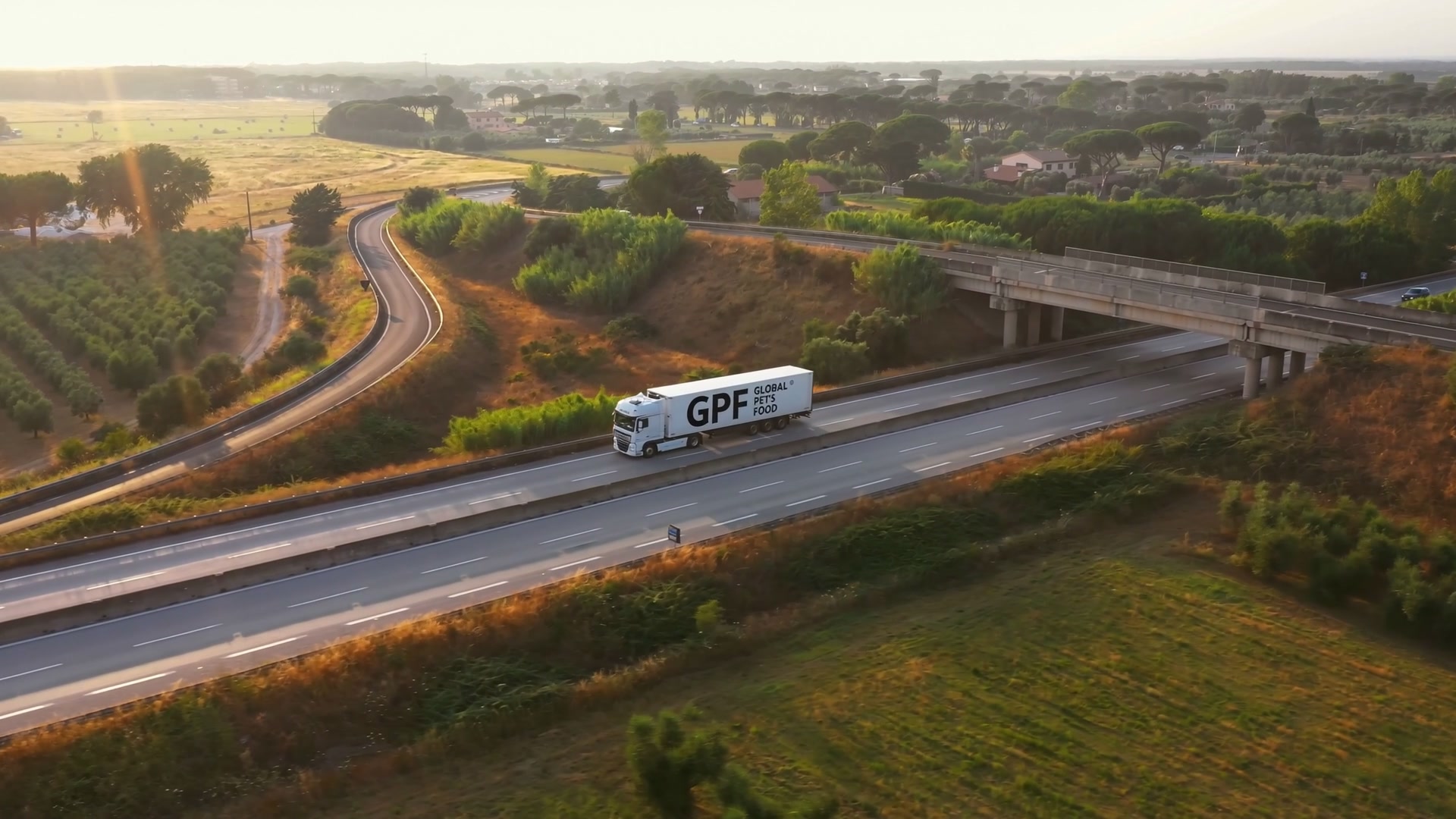
Global supply disruptions and escalating carbon tariffs have highlighted the vulnerability of cross-continental pet food shipping. Manufacturing within Central Europe—specifically Poland—provides direct highway and rail logistics to major European markets. By reducing ingredient transport distances and choosing regional suppliers, brands eliminate up to 40% of transit-related Scope 3 emissions compared to overseas imports.
2. Precision Formulation & Upcycled Bioactive Ingredients
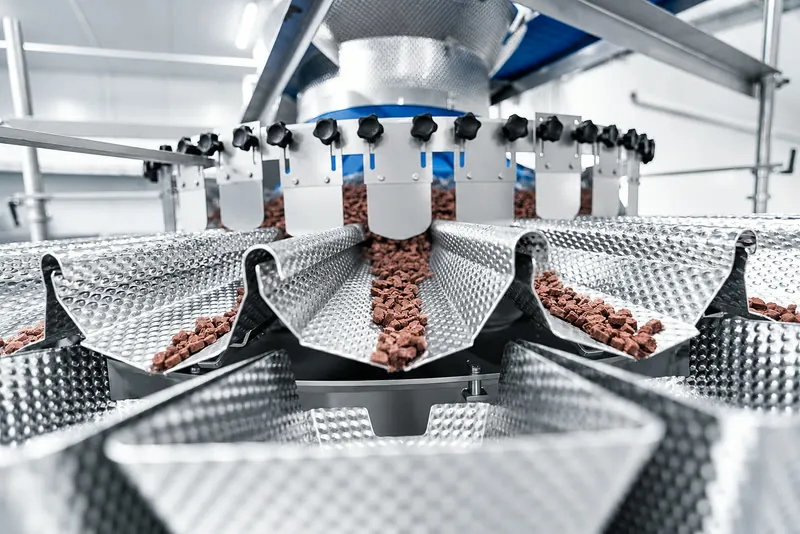
Sustainable formulation goes beyond swapping protein sources. It involves precision nutrient profiling to prevent over-formulation of nitrogen-rich ingredients that increase environmental burdens. Advanced thermal extrusion techniques preserve heat-sensitive vitamins and bioactive compounds, allowing lower inclusion rates of synthetic premixes. Furthermore, utilizing high-quality upcycled co-products from human food production maximizes resource efficiency without sacrificing palatability or protein quality.
3. Navigating the Retort Packaging Revolution
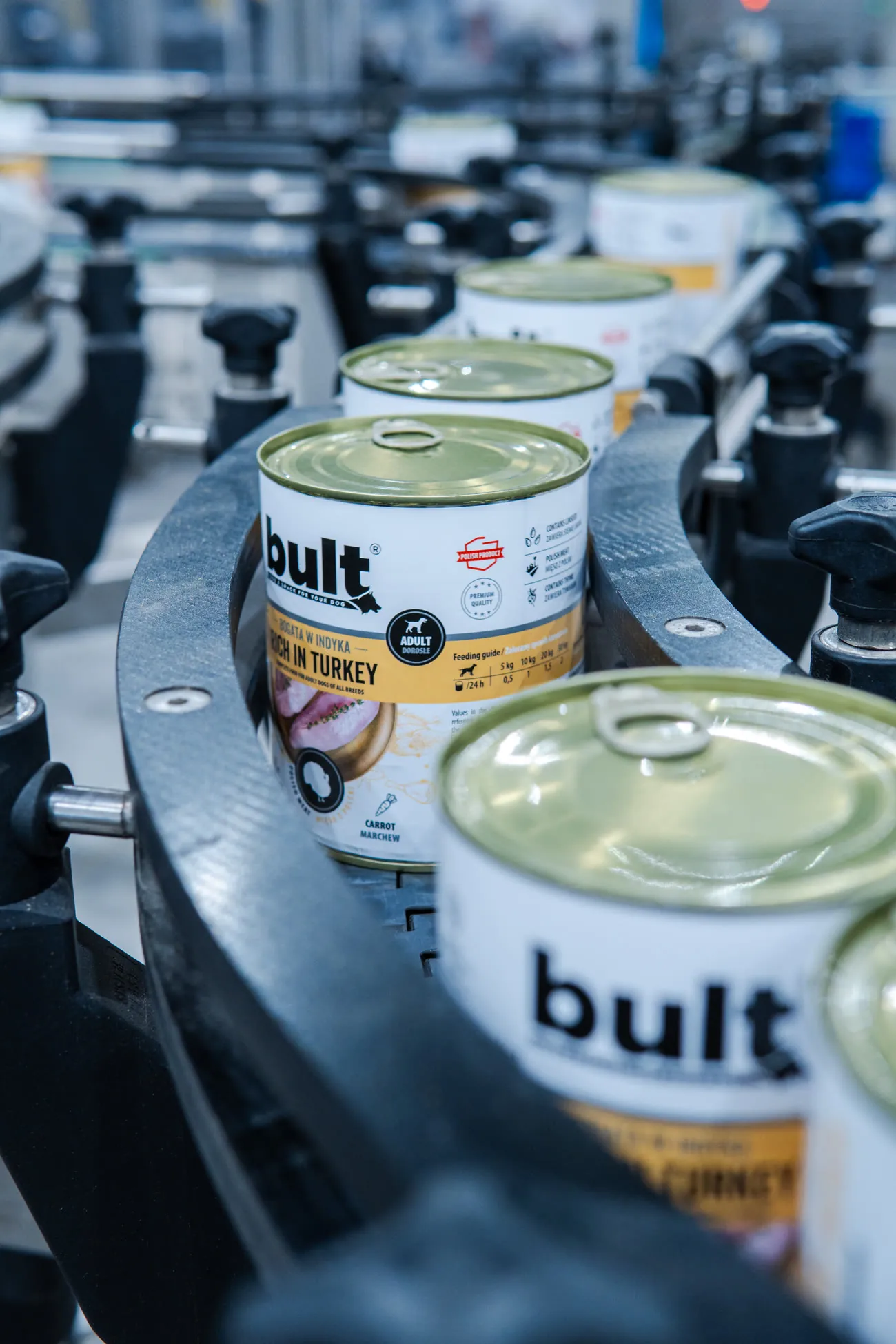
For decades, wet pet food relied on non-recyclable aluminum-plastic flexible foils to withstand 121°C autoclave temperatures. Modern polymer chemistry now allows multi-layer mono-polypropylene (mono-PP) and mono-polyethylene (mono-PE) pouches to achieve identical barrier protection against oxygen and moisture. Partnering with a manufacturer equipped with automated sealing and thermal management technology ensures smooth transitions to 100% recyclable formats without sacrificing product shelf-life.
4. Auditability and Digital Traceability
Greenwashing concerns have made buyers cautious of unsubstantiated sustainability claims. Leading retailers now mandate full digital traceability from raw ingredient intake to finished pallet. By working with an IFS Food and BRCGS certified contract manufacturer holding verified ASC and MSC chain-of-custody credentials, brand owners gain access to batch-specific compliance data required for ESG reporting and retail listings.