Engineering Precision & Thermal Processing
How We Guarantee Nutritional Integrity in Retort Wet Dog Food
Thermal sterilisation is the critical foundation of wet pet food production. Achieving commercial sterility without scorching ingredients or destroying heat-sensitive micro-nutrients requires rigorous process validation.
1. Controlled Thermal Lethality (F0 Value Optimization)
Wet dog food sealed in metallic cans or flexible pouches must undergo thermal sterilisation to eliminate pathogenic bacteria such as Clostridium botulinum. At Global Pet's Food, our automated steam autoclaves utilize precise temperature-pressure curves. We maintain a minimum target F0 value of 3.0 (typically calibrated between F0 4.0 and 6.0 depending on pH, density, and container volume). This ensures complete microbial safety while preserving vital heat-labile vitamins (such as B-complex and A), essential amino acids (methionine, lysine), and natural aromatic volatiles that drive high canine palatability.
2. High-Barrier Packaging Metallurgy & Polymer Selection
The barrier performance of the container dictates product shelf-life and nutrient stability over 24 to 36 months. We offer three optimized packaging systems:
- Alupack Retort Pouches (85g to 500g): Multi-layer foil structures (PET / Aluminum Foil / Cast Polypropylene) providing zero oxygen transmission rate (OTR) and water vapor transmission rate (WVTR), preventing lipid oxidation and vitamin degradation.
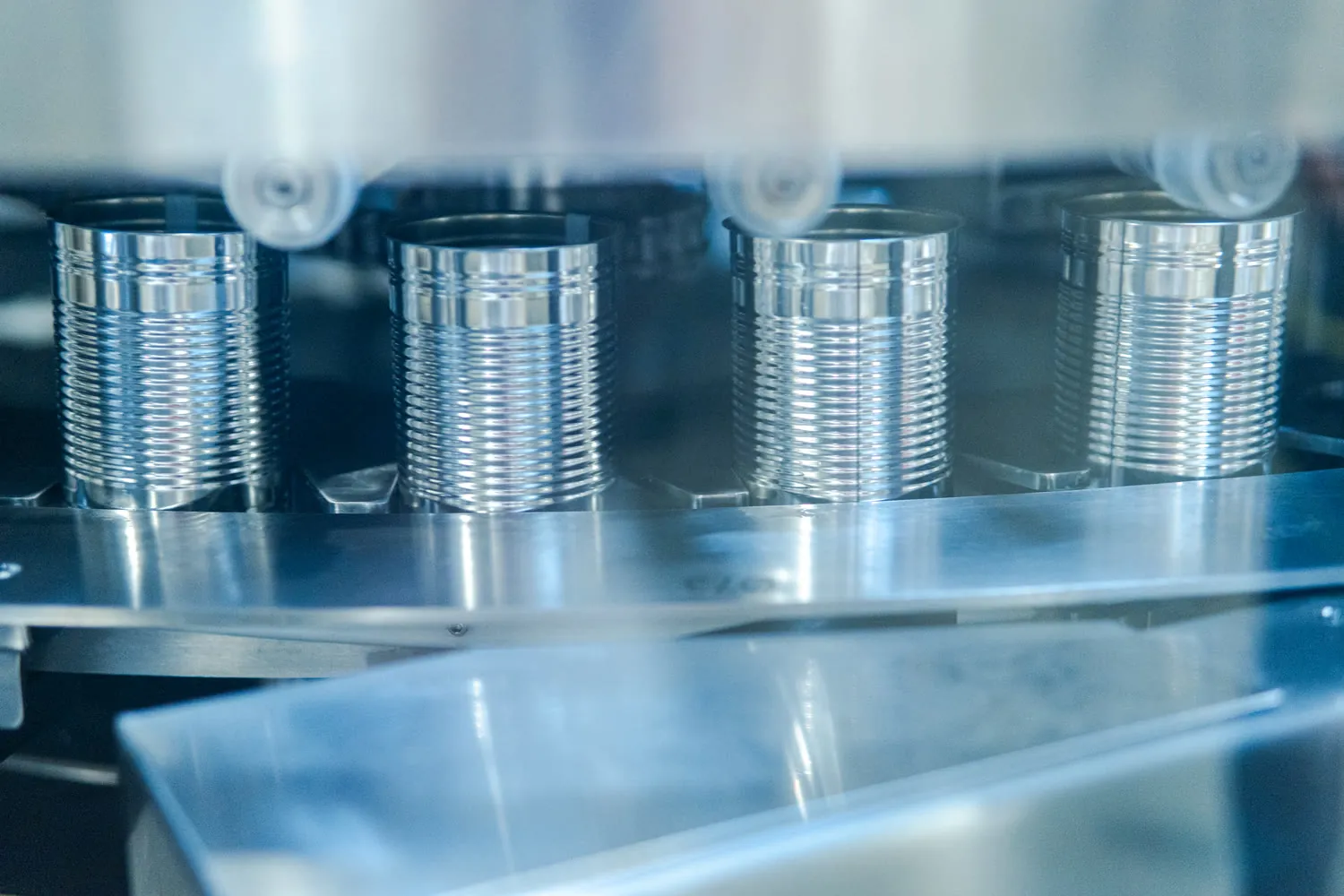
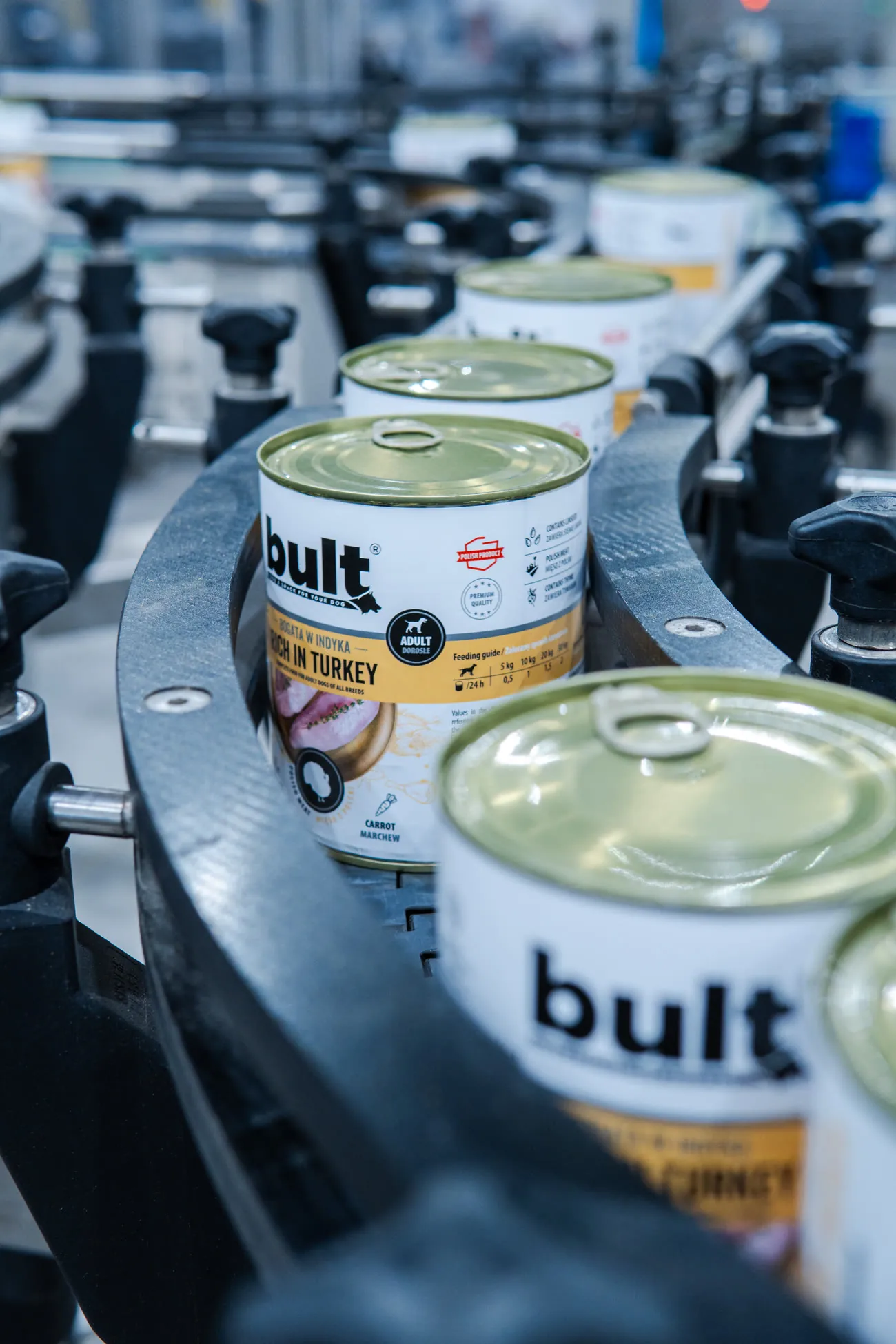
- Aluminum & Steel Cans (85g to 1250g): Coated with modern BPA-NI (BPA Non-Intent) internal lacquers to eliminate chemical migration into high-acid or high-fat meat formulations.
- Recyclable Polypropylene Doypacks: Mono-material retort pouches designed for eco-conscious retail brands requiring 100% circular economy compatibility under EU directive frameworks.
3. Raw Material Sourcing & Cold-Chain Integrity
Great wet dog food starts with fresh meat. Located in Wielkopolska, Poland's agricultural heartland, our facility maintains direct supply contracts with certified regional slaughterhouses. Meat ingredients (Category 3 animal by-products and fit-for-human-consumption muscle meats) enter our plant under strict temperature-controlled cold chains (< 2°C). Every batch undergoes immediate intake analysis for pH, moisture, micro-biology, and volatile basic nitrogen (TVN) prior to recipe blending.