Procurement Guidance & Intelligence
Frequently Asked Questions: Private Label Dry Cat Food Sourcing
Detailed answers to technical, regulatory, and commercial queries commonly raised by corporate procurement officers, product managers, and brand founders.
What is the Minimum Order Quantity (MOQ) for custom private label dry cat food formulations?
Our standard production MOQs for custom-formulated extruded dry cat food start at 3 to 5 metric tons per recipe variant. For existing benchmark formulations selected from our catalog of 5,000+ recipes, MOQs can be negotiated lower depending on packaging format and batch scheduling. Packaging print runs (such as custom pre-printed barrier doypacks) typically carry an initial minimum print run of 10,000 to 20,000 bags depending on bag size.
How do you guarantee palatability and feeding acceptance in dry cat kibble?
Palatability is critical for feline retention. We utilize a two-step enhancement protocol: First, internal thermal pre-conditioning preserves the natural aroma profile of raw animal proteins. Second, our state-of-the-art vacuum liquid coating equipment applies specialized enzymatic liquid digest coats and high-purity animal fats (such as poultry fat, salmon oil, or hydrolyzed liver) deep into the porous kibble structure under reduced pressure. Palatability is rigorously verified through two-bowl choice feeding trials in independent panels.
Can you manufacture specialized functional diets like Urinary Care, Hairball Control, or Kitten Growth?
Yes. Our veterinary nutritionists routinely formulate target functional health diets compliant with FEDIAF and AAFCO guidelines. For example, Urinary Care diets control mineral ash, phosphorus, and magnesium levels while adjusting dietary DCAB for target urine pH (6.2–6.5). Hairball formulas incorporate specific levels of insoluble cellulose and psyllium husk. Kitten formulas feature elevated protein (34–38%), increased fat, and DHA supplementation for brain and vision development.
What quality control procedures prevent cross-contamination in grain-free or monoprotein diets?
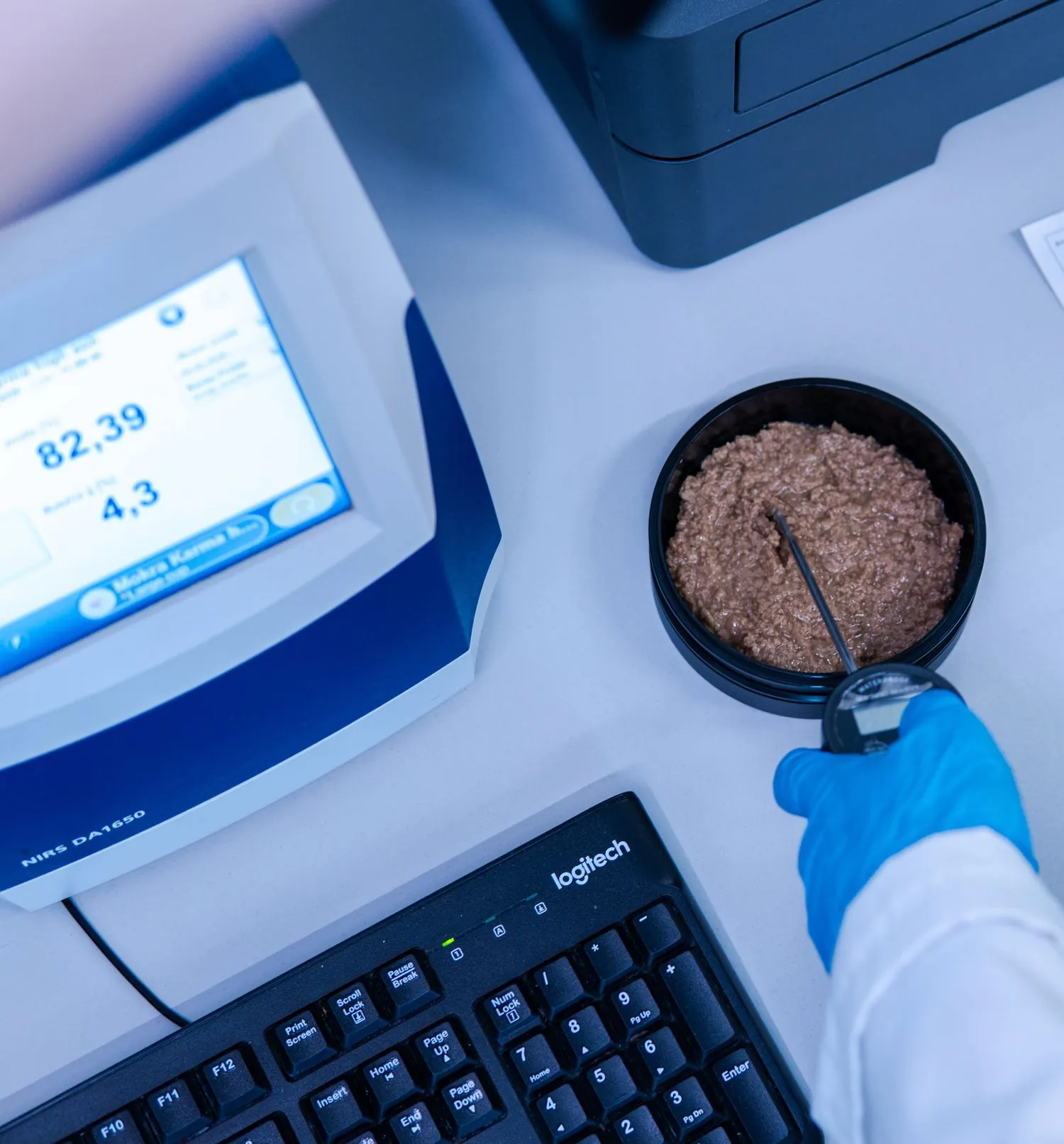
Cross-contamination control is built into our factory engineering. Raw material intake silos, grinding lines, and extruder feeding bins operate under automated micro-dosing controls. Between different production runs, lines undergo automated clean-in-place (CIP) and physical flush protocols. Every single monoprotein or grain-free batch undergoes strict in-house laboratory screening (including ELISA protein detection and gluten testing) before batch release documentation is issued.
What certifications does your plant hold for international export and retail qualification?
Our manufacturing facility in Koźmin Wielkopolski, Poland, holds IFS Food (Higher Level), BRCGS Global Standard for Food Safety (AA Grade), HACCP certification, as well as official ASC (Aquaculture Stewardship Council) and MSC (Marine Stewardship Council) Chain-of-Custody standard certification. We support clients with full export documentation, veterinary health certificates, EU health marks, and local packaging regulatory compliance checks for EU, UK, Middle Eastern, Asian, and North American markets.
What packaging formats are available for private label dry cat kibble?
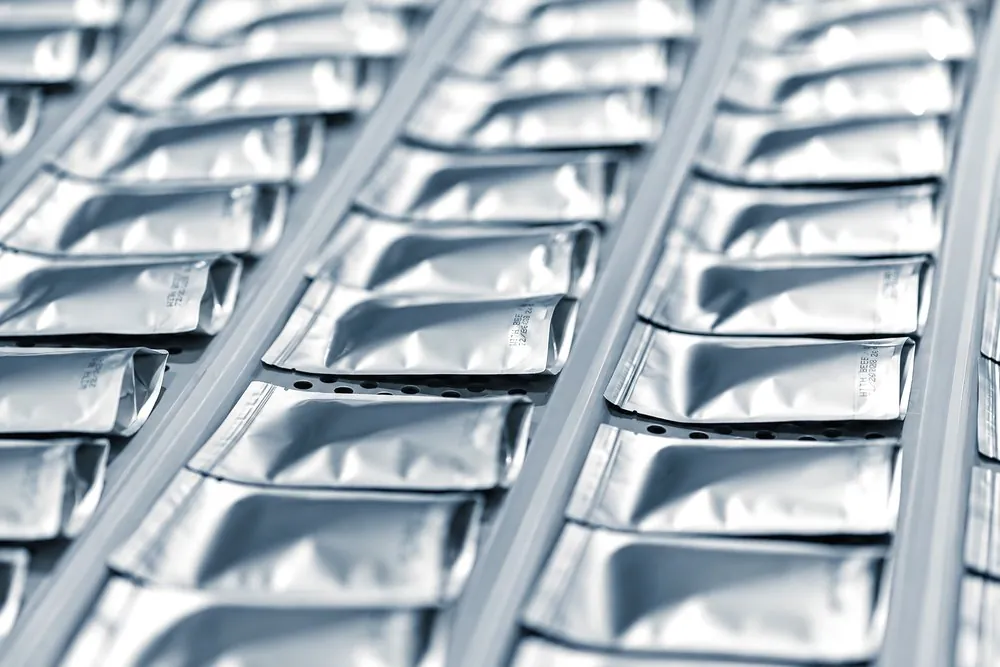
We offer a comprehensive range of packaging options engineered for shelf impact and barrier performance: 400 g to 1.5 kg small-format stand-up doypacks with press-to-close zippers; 2 kg to 6 kg flat-bottom or quad-seal bags with top sliders or tear notches; bulk corrugated boxes for re-packing; and 100% recyclable mono-PE or mono-PP barrier pouches designed to comply with future EU packaging recycling directives.
What is the complete timeline from initial inquiry to final product delivery?
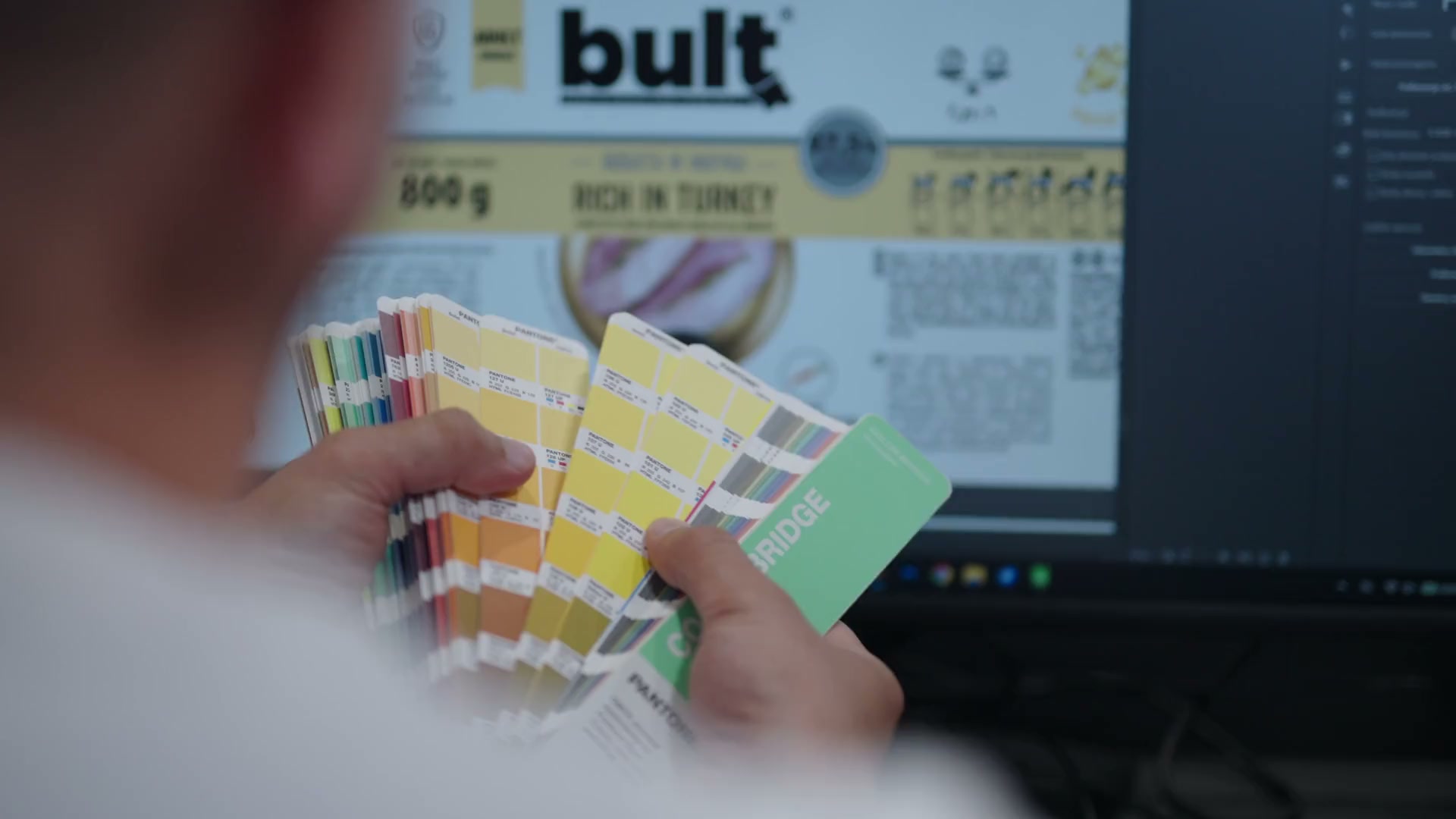
The standard development and production cycle takes between 45 and 60 days: 1) Initial brief and formula consultation (1–3 days); 2) Recipe engineering, costing, and lab sample sign-off (10–14 days); 3) Packaging artwork proofing and print cylinder setup (14–21 days concurrently); 4) Extrusion trial, vacuum coating, drying, and laboratory validation (5–7 days); 5) Automated packaging, batch release QC, and dispatch setup (5–7 days).
Can we supply our own custom recipe or proprietary active ingredients?
Absolutely. We operate under strict Non-Disclosure Agreements (NDAs). You can provide your own exact recipe specification or send proprietary functional premixes (such as specific vitamin blends, botanicals, postbiotics, or joint supplements). Our technical team conducts technical feasibility reviews to ensure ingredient stability during extrusion before commercial manufacturing commences.