Custom Formulation Product Showcase
Engineered for Tokyo & Global Retail Chains, Convenience Networks (Conbini), and Specialty Importers. Fully customizable ingredients, moisture levels, shapes, and shelf-life profiles.
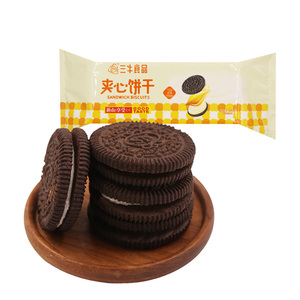
Sanniu Fortified Sandwich Biscuits 300g
Precision-baked sandwich biscuits with customizable cream fillings, vitamin fortification, and micro-encapsulated flavors engineered for extended shelf life.
- Moisture Content: < 2.5%
- Packaging: Nitrogen-Flushed Box / Tray
- Certification: HACCP / ISO22000
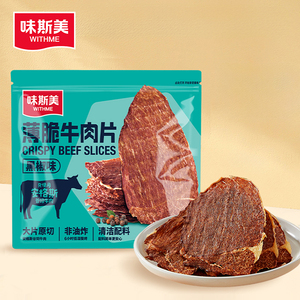
Black Pepper High-Protein Dried Beef Jerky 20g
Slow-cured lean beef strips featuring proprietary spice infusion. Formulated with controlled water activity ($a_w < 0.70$) for room-temperature distribution in Tokyo markets.
- Protein Level: > 45% Content
- Format: 20g Single-Serve Sachet
- Compliance: Japanese MAFF Standards
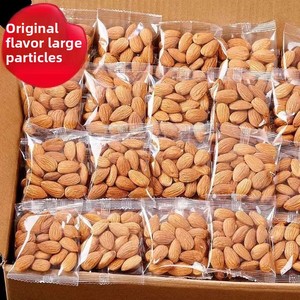
Roasted Premium Almond Snacks 10g Pack
Ultra-dry roasted California almonds packed in high-barrier metalized film under oxygen-free nitrogen atmosphere to guarantee zero oxidative rancidity.
- Oxygen Residual: < 0.5%
- Flavoring: Sea Salt / Wasabi / Original
- Shelf Life: 18 Months Ambient
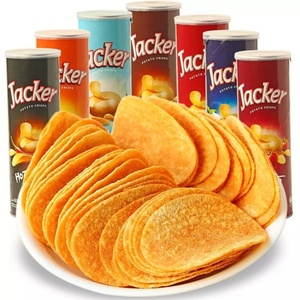
Extruded Spicy Crisp Potato Chips 70g Can
Uniformly shaped composite potato crisps formulated for high crunch retention. Packed in protective composite paper cans for premium shelf appearance.
- Packaging: Hermetic Can Seal
- Custom Flavors: Spicy, Seaweed, Truffle
- MOQ: 10,000 Units Custom Printed
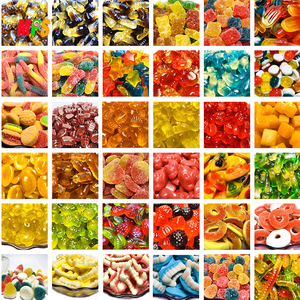
Halal Sweet & Sour Hydrocolloid Gummy Sweets
Pectin and gelatin-blend fruit gummies with custom bloom strength (200–240 g). Certified Halal formula tailored for Asian and Middle Eastern export corridors.
- Gel Base: Halal Gelatin / Citrus Pectin
- Fortification: Vitamin C / Zinc / Collagen
- Certifications: Halal, BRCGS, IFS
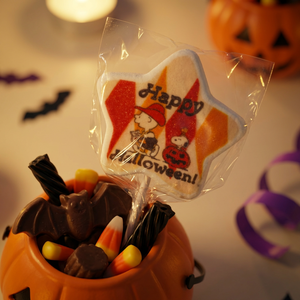
3D Star Cartoon Moulded Hard Lollipops 30g
Precision hard-boiled sugar confectionery utilizing high-clarity maltose matrix with natural fruit extracts and custom 3D die-cast character shapes.
- Brix Index: > 98.5% Solid
- Display: 24-Piece Retail Counter Box
- Coloring: 100% Natural Plant Dyes
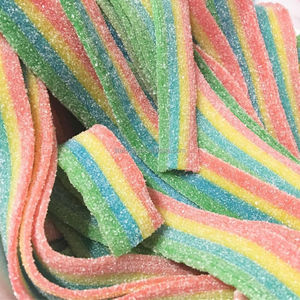
MiniCrush Fruit-Juice Concentrated Gummy Snacks
Real juice infused 3D soft gummies featuring low-tack surface coating technology to prevent clumping in high-humidity tropical transit conditions.
- Juice Content: Up to 20% Reconstituted
- Shapes: Custom IP Character Moulding
- Packaging: Recyclable Doypack
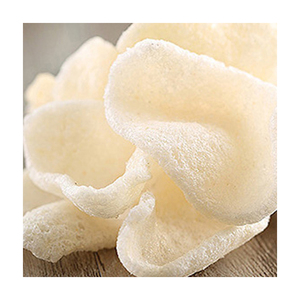
Crispy Prawn Crackers High-Expansion Seafood Snacks
Engineered pellet expansion technology yielding light density, ultra-crispy seafood crackers with authentic prawn paste formulation for premium snacking.
- Seafood Solids: Up to 15% Real Prawn
- Expansion Ratio: 1:3.5 Volumetric
- Flavors: Garlic, Nori Seaweed, Chili
Tokyo as the Epicenter for Advanced Custom Formula Engineering
Bridging Far-East Food Science Expertise with International OEM/ODM Export Scale
Strategic Export Gateway
Operating within the strategic trade nexus of Tokyo, our contract manufacturing facilities integrate world-class food chemistry with streamlined maritime logistics via the Port of Tokyo and Yokohama. As global demand surges for specialized, clean-label, and functional food products, Tokyo serves as an essential hub for formula development, regulatory harmonization, and rapid regional dispatch across APAC, North America, and Europe.
Our R&D team leverages precision flavor micro-encapsulation, moisture activity control, and advanced extrusion techniques to manufacture shelf-stable foods that fulfill both stringent Japanese Quality (JAS) standards and western import requirements (US FDA, EU EFSA).
End-to-End Contract Manufacturing
We offer total turnkey OEM/ODM services—transforming initial conceptual briefs into fully compliance-verified retail packages. Our pilot plants specialize in small-batch trial prototyping (50kg–200kg) to validate organoleptic properties, structural crunch, and thermal stability prior to commercial scaling on our automated 18-line extrusion, baking, and retort lines.
Every custom formula is protected under non-disclosure agreements (NDAs), ensuring that brand owners retain full IP rights over their proprietary flavor profiles, functional ingredient matrices, and custom packaging designs.
Localized Application Scenarios in Tokyo & Greater Japan
Tailoring Product Characteristics to Modern Japanese Retail Dynamics and Consumer Behavior
Convenience Store Single-Serve Formats
Tokyo's dense urban network is dominated by convenience store chains (7-Eleven, Lawson, FamilyMart). Consumer preference demands portion-controlled, single-serve pouches (10g to 30g) with high-barrier tear-notch packaging. Our custom nitrogen-flushing lines ensure nut snacks, beef jerky, and mini-cookies maintain factory-fresh crispness without artificial preservatives.
Tokyo Office Commuter Energy & Nootropic Snacks
Working professionals in business districts like Marunouchi and Shinjuku favor low-glycemic, high-protein bite-sized snacks. We formulate extruded jerky, fortified wafers, and polyol-sweetened gummies containing functional doses of GABA, L-Theanine, Green Tea Catechins, and Marine Collagen tailored for functional snacking trends.
Premium Gift Packaging & IP Character Sweets
Japan's gift-giving culture requires flawless aesthetic precision. Our custom 3D molding capabilities produce character lollipops, embossed sandwich cookies, and fruit pectin gummies wrapped in metallic foil and display-ready counter boxes engineered for departmental stores and airport duty-free outlets.
Localized Market & Technical Trends Driving Tokyo Procurement
Information Gain: Analyzing key industry shifts shaping custom formula procurement in East Asia
1. Clean Label & Synthetic-Dye Elimination
Japanese consumers are increasingly vigilant regarding ingredient declarations. Modern formulations developed in Tokyo eliminate red #40, yellow #5, and artificial flavor enhancers (MSG), replacing them with natural anthocyanins, paprika extract, spirulina concentrate, and yeast-derived umami extracts.
2. Halal-Certified Asian Market Export Surge
Tokyo has evolved into an export bridge for Halal-compliant food production servicing Southeast Asia (Malaysia, Indonesia) and the Middle East. Our dedicated lines utilize bovine-free hydrocolloids, citrus pectins, and strict alcohol-free flavor carrier solvents verified under JAKIM-equivalent international Halal standards.
3. Precision Moisture Control ($a_w$) & Extended Shelf Life
To withstand global ocean freight without artificial chemical preservatives, custom snack formulas must engineer water activity ($a_w$) to strictly safe thresholds. For extruded prawn crackers ($a_w < 0.35$) and beef jerky ($a_w < 0.68$), our automated dehydration and vacuum ovens guarantee microbiological immunity against mold and bacterial growth.
4. Eco-Conscious Flexible Packaging
Replacing multi-layer non-recyclable plastics with mono-material PE/PP pouch solutions and recyclable paper composite cans is now a mandate for major retail tenders in Tokyo. Our packaging engineering unit supports mono-PE pouches with barrier vapor transmission rates (WVTR) below $1.0\text{ g/m}^2/\text{day}$.
Custom Formulation Capability Matrix
Technical specifications across core product lines for international contract manufacturing and export
| Product Category | Primary Base Matrix | Moisture / $a_w$ Target | Packaging Capabilities | Certifications | Lead Time |
|---|---|---|---|---|---|
| Fortified Biscuits & Wafers | Wheat Flour, Butter / Palm, Protein Isolate | Moisture < 2.5% | Nitrogen Tray Box, Pillow Pack, Tin Can | IFS Food, BRCGS, HACCP | 35–45 Days |
| Cured Dehydrated Jerky | Lean Beef / Poultry, Natural Spices | $a_w < 0.70$ / Moisture 20–24% | Vacuum Sachet, Zipper Doypack with Deoxidizer | MAFF Approved, ISO22000 | 40–50 Days |
| Hydrocolloid Gummies | Pectin, Halal Gelatin, Fruit Concentrate | Brix 78–82° / Moisture 14–18% | Individual Foil Wrap, Standing Doypack, Jar | Halal Certified, BRCGS, GMP | 30–40 Days |
| Extruded Seafood Crisps | Tapioca Starch, Shrimp/Prawn Paste | Moisture < 3.0% | Composite Can, Gas-Flushed Foil Bag | HACCP, ISO22000, ASC/MSC | 30–45 Days |
| Moulded Hard Candy | Isomalt, Sucrose, Maltose Syrup | Moisture < 1.5% / Brix > 98.5° | Twist Wrap, Counter Display Box, Blister | HACCP, BRCGS | 25–35 Days |
Why Global Importers Partner with Our Tokyo Export Desk
Demonstrated Experience, Expert Food Technologists, and Rigorous Quality Oversight
Quadruple Quality Testing
Four-tier quality validation: raw material intake inspection, in-line CCP (Critical Control Point) monitoring via automated X-ray and metal detection, in-house microbiological batch release testing, and post-packaging seal integrity verification.
In-House R&D Flavor Lab
Our team of 25+ food scientists and flavorists manipulate texture, mouthfeel, sweetness curves, and savory umami notes to match specific regional preferences across Asian, Middle Eastern, North American, and European target markets.
Export Regulatory Assistance
We prepare comprehensive export documentation, including Certificates of Free Sale, Health Certificates, Phytosanitary Documentation, Nutrition Facts compliance panels (US FDA, EU 1169/2011), and Japanese multi-language label translation files.
Frequently Asked Questions for Tokyo Buyers & Importers
Addressing technical procurement, OEM lead times, MOQ requirements, and custom formula ownership
What is the standard lead time for custom formula development and first production dispatch?
The typical timeline spans 45 to 60 days from approved technical brief. Initial formula sample benchwork takes 10–14 days. Pilot trial run & lab verification require 7–10 days. Commercial line production, packaging printing, and final shipping dispatch require 20–30 days. Repeat order lead times are reduced to 20–25 days.
How are intellectual property (IP) and proprietary formulation recipes protected?
Before exchanging technical specifications, we execute a legally binding Non-Disclosure Agreement (NDA). All custom recipes, ingredient blend ratios, and custom mold shapes created specifically for your brand remain your exclusive property. Our manufacturing lines operate under strict confidential batch coding systems.
What are the minimum order quantities (MOQs) for private label custom production?
MOQs vary by product category and packaging style. For standard flexible pouches (e.g., gummies, almond packs), the MOQ starts at 10,000 to 20,000 retail packs. For custom printed composite cans or embossed tin boxes, MOQs start at 10,000 units. Trial pilot batches can be arranged under specific pilot project agreements.
Can you manufacture products compliant with Japanese Food Sanitation Act and MAFF standards?
Yes. All export formulations intended for Japanese import or produced for Tokyo retailers undergo strict screening against the Ministry of Health, Labour and Welfare (MHLW) designated food additives list and Ministry of Agriculture, Forestry and Fisheries (MAFF) animal and plant quarantine guidelines.
Do you support customized functional ingredient fortification (e.g., vitamins, proteins, collagen)?
Absolutely. Our R&D laboratory specializes in functional fortification including hydrolyzed marine collagen, whey/pea protein isolates, dietary fibers (inulin, resistant dextrin), vitamins, minerals, and plant extracts, ensuring homogeneity and thermal stability throughout the processing cycle.
Which logistics ports do you utilize for dispatch to international markets?
For global export shipments originating or routed through Japan, primary dispatch is executed via Port of Tokyo and Port of Yokohama for sea freight (FCL/LCL), or Haneda (HND) and Narita (NRT) airports for high-value air cargo dispatches. Full palletization and container temperature-control tracking are standard.
Ready to Develop Your Custom Formula with Tokyo Exporters?
Connect with our senior food technologists and export procurement specialists today. We provide full consultation on formulation chemistry, target market regulatory compliance, and rapid prototyping.