Direct Factory OEM/ODM Packaging Architecture for the Seoul Market
As South Korea accelerates its enforcement of the updated Resource Recycling Act and stringent K-EPR (Korean Extended Producer Responsibility) recyclability evaluations, Seoul-based brand owners, food conglomerates, and e-commerce enterprises face pressing requirements to overhaul their flexible and rigid packaging systems. Operating at the intersection of material science innovation and high-volume precision manufacturing, our China-based production facilities deliver fully certified, high-barrier eco packaging directly to Seoul, Incheon Port, and Gimpo fulfillment hubs.
High-Performance Eco-Friendly Packaging Solutions
Engineered specifically for South Korean food safety standards (MFDS/KFDA compliant), structural stability, and shelf-life extension.
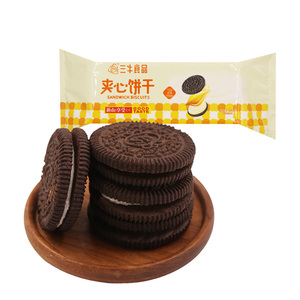
FSC-Certified Recyclable Paperboard Bakery & Snack Box
Rigid eco-paperboard construction featuring plant-based aqueous barrier coatings, eliminating poly-lamination for seamless repulpability.
- Material: Virgin FSC Kraft / Bamboo Pulp
- Barrier: Greaseproof & Oil-Resistant Coating
- K-EPR Rating: "Excellent Recyclability"
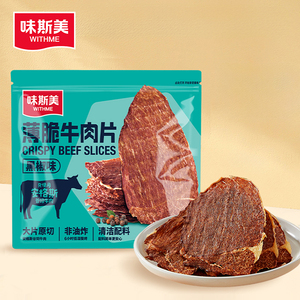
Mono-PE & Bio-PBAT High Moisture Barrier Snack Pouch
Ultra-low oxygen transmittance pouch designed for savory dried meats and high-protein snacks requiring long shelf stability without foil laminates.
- OTR: < 0.5 cc/m²/24hr | WVTR: < 0.5 g/m²/24hr
- Certifications: MFDS Food Contact Safe
- Feature: Resealable Recyclable Zipper
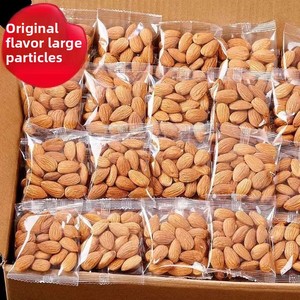
PLA + Cellulose Biodegradable Single-Serve Snack Wrappers
100% bio-based flow-wrap film for individual portion packaging, engineered to biodegrade naturally without leaving microplastic residues.
- Material: Non-GMO Cornstarch PLA Film
- Standards: TÜV OK Compost Home certified
- Print: Non-toxic soy/water-based ink
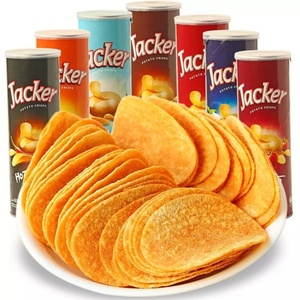
Recyclable Composite Paper Can & Airtight Cylinder
Sustainable alternative to metal and plastic cans, utilizing spirally-wound recycled paperboard with a bio-barrier interior lining for fragile snacks.
- Lid Options: Paper-based pull tab / Peelable seal
- Crush Resistance: High-stacking strength
- Customization: Embossed branding available
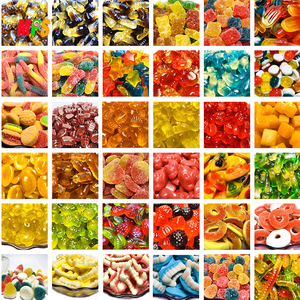
Clear High-Transparency Plant-Based Confectionery Bags
Crystal-clear bio-film bags engineered for candy, gummies, and dry sweets, delivering crystal clarity with zero traditional petro-plastics.
- Clarity: > 92% Optical Transparency
- Sealing: Heat-sealable at lower temperatures
- Compliance: EU 10/2011 & KFDA standards
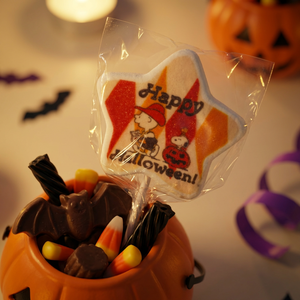
FSC Corrugated Retail Counter Display Boxes (RRP)
Pop-up shelf-ready packaging optimized for Seoul retail chains (Olive Young, GS25, CU). Made from 100% recycled structural flute board.
- Assembly: Fast folding auto-bottom structure
- Finish: Aqueous anti-scratch matte coating
- Strength: High load-bearing capacity
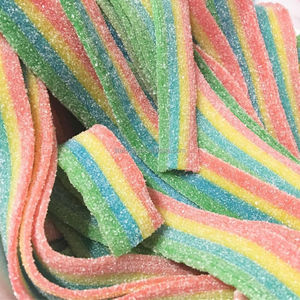
Fully Recyclable Stand-Up Doypack Pouch with Eco-Zipper
Pure mono-PP/mono-PE laminated stand-up pouches designed for seamless kerbside sorting and mechanical recycling in Seoul municipal waste systems.
- Recyclability: 100% Single-Polymer Stream
- Options: Tear notch, rounded corners, window
- Barrier: SiOx clear high-barrier coating
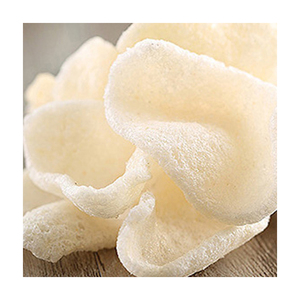
Aqueous-Coated Barrier Kraft Paper Pouches for Crisp Food
Plastic-free flexible paper packaging utilizing advanced dispersion coatings for high grease, oil, and humidity resistance in bulk or retail formats.
- Sealability: Ultrasonic & Direct Heat Sealable
- De-inking: Easily repulpable in standard paper mills
- Customization: Multi-color flexographic printing
Navigating South Korea's K-EPR Regulations & The China Supply Corridor
South Korea stands as one of Asia's most progressive yet strictly regulated markets concerning municipal solid waste management and packaging circularity. Under the enforcement of the Ministry of Environment (MoE) and the revised Act on the Promotion of Saving and Recycling of Resources, all packaging materials distributed in commercial hubs like Seoul are subjected to mandatory Recyclability Grade Evaluations. Packages are classified into four distinct operational tiers: Excellent, Good, Normal, and Difficult to Recycle. Products labeled as "Difficult to Recycle" incur severe monetary surcharges via K-EPR recycling fees and are mandated to print conspicuous warning labels on their retail packaging, negatively impacting consumer brand perception.
Information Gain Insight for Seoul Procurement Directors: Traditional multi-layer flexible packaging combining PET/AL/PE or PET/NYLON/PE is systematically designated as "Difficult to Recycle" in South Korea. Switching to certified Mono-Material (MDO-PE/PE or Mono-PP) or Plastic-Free Dispersion Coated Paperboard immediately elevates your K-EPR grade to "Excellent" or "Good", saving up to 30% in annual statutory recycling levies while streamlining customs release at Incheon Port.
Sourcing sustainable packaging directly from our specialized manufacturing hubs in East China (Shandong, Zhejiang, and Jiangsu maritime corridors) provides Seoul enterprise importers with unmatched strategic advantages:
K-EPR & MFDS Regulatory Alignment
Every batch produced undergoes rigorous testing to comply with both South Korea's Ministry of Food and Drug Safety (MFDS) heavy metal and migration limits, as well as K-EPR recyclability verification standards.
Ultra-Fast Maritime Logistics Corridor
Leveraging direct sea lanes from Qingdao, Ningbo, and Shanghai ports to Incheon and Busan, transit times range between 48 to 96 hours. This enables seamless just-in-time inventory replenishment for Seoul logistics hubs.
Advanced Barrier Technology
By implementing ultra-thin plasma silicon oxide (SiOx) coatings and nano-dispersed water-based barriers, our eco films deliver barrier properties matching aluminum foil without compromising recyclability.
Application Scenarios Across Seoul's Key Commercial Districts
Sustainable packaging is not a one-size-fits-all solution. Different consumer touchpoints in the Seoul Capital Area demand specialized physical, structural, and aesthetic properties.
1. Seongsu-dong & Ikseon-dong Specialty Food & Coffee Roasters
In Seoul's trendsetting districts like Seongsu-dong, boutique bakeries, artisanal coffee roasters, and lifestyle cafes heavily prioritize aesthetic minimalism paired with authentic home-compostable claims. Our PLA + Kraft paper degassing pouches and biodegradable window bakery boxes provide natural tactile appeal, excellent aroma retention, and 100% industrial/home compostability that aligns with young Korean consumers' eco-conscious values.
2. Gangnam & Myeongdong Health, Beauty & Snack Chains
High-street flagship stores (such as Olive Young, Lotte Mart, and Shinsegae Duty Free) require high-clarity, high-impact packaging with premium shelf presentation. Our Fully Recyclable High-Gloss Mono-PP Doypacks offer crystal-clear product visibility windows, tactile matte-lacquer contrasts, and tear-resistant seals suitable for high-margin functional gummies, nut mixes, and premium collagen snack supplements.
3. E-Commerce & Coupang Rocket Delivery Fulfillment Centers
The rapid dominance of Coupang, Market Kurly, and SSG.COM across the Seoul Metropolitan area has created immense demand for packaging capable of withstanding automated high-speed sorting and cold-chain condensation. Our Puncture-Resistant Mono-PE Cold-Chain Pouches feature reinforced burst-strength seals (testing above 45 kPa) and zero-crack flexibility at negative temperatures (-18°C), eliminating transport leaks while fulfilling corporate ESG metrics.
Comprehensive Eco-Packaging Material Specification Comparison
To assist technical directors, quality assurance managers, and procurement leaders in making data-driven choices, the following matrix compares key operational parameters across our primary eco packaging material streams against traditional petro-chemical structures.
| Material Structure Stream | Barrier Performance (OTR/WVTR) | Sealing Temp Range | K-EPR Recyclability Class | Primary End-of-Life Stream | Seoul Application Best-Fit |
|---|---|---|---|---|---|
| Mono-Material PE (MDO-PE / PE) | High (OTR < 1.0, WVTR < 1.0) | 110°C – 140°C | Excellent | Mechanical Plastic Recycling (LDPE/HDPE) | Snacks, Frozen Foods, Pet Food, Coffee |
| Aqueous Dispersion Kraft Paper | Medium (Grease & Moisture Proof) | 120°C – 150°C | Excellent | Paper Pulping & Repulping Mills | Bakery, Dry Crackers, Confectionery |
| Bio-Based PLA / PBAT Lamination | Moderate (OTR < 5.0, WVTR < 8.0) | 90°C – 120°C | Good (Bio) | Industrial / Home Composting (EN 13432) | Single-serve wrappings, Organic Snacks |
| Sugarcane Bagasse Molded Board | Low-Medium (Oil Resistant) | N/A (Rigid Container) | Excellent | Biodegradable / Organics Composting | Ready-to-eat meal trays, Outer clamshells |
| Legacy PET / AL / PE Foil Laminate | Ultra-High (OTR < 0.1, WVTR < 0.1) | 130°C – 160°C | Difficult (Surcharge) | Landfill / Incineration | Phase-out mandatory across South Korea |
Why Leading Seoul Enterprise Brands Partner With Our China Facilities
Building a resilient, sustainable cross-border supply chain requires more than eco-friendly claims; it demands rigorous quality control, industrial scalability, and transparent material traceability. Operating 18 state-of-the-art automated production lines in ISO 9001, BRCGS, and ISO 14001 certified cleanroom environments, our manufacturing enterprise provides a turnkey bridge between advanced material synthesis and final packaging delivery in Seoul.
100% In-House Testing Laboratory
Every raw material batch undergoes FTIR spectroscopy chemical purity checks, MFI (Melt Flow Index) verification, and automated tensile burst testing. Finished pouches undergo gas chromatography solvent-residue testing to guarantee 100% odor-free food contact safety.
Comprehensive Export Documentation
We eliminate import friction at Incheon customs by supplying complete technical dossier packages: MFDS (KFDA) Food Contact Declaration of Conformity, DIN CERTCO / TÜV Austria biodegradation certificates, Heavy Metal Test Reports (RoHS / REACH), and official RCEP Certificate of Origin for preferential zero-tariff clearance.
Color Consistency & HD Printing
Equipped with 10-color high-speed electron beam (EB) and water-based flexographic printing presses, we achieve delta-E < 1.5 color accuracy across extended print runs, ensuring your retail branding remains vibrant and uniform across all production lots.
Seoul B2B Eco Packaging Sourcing FAQ
Addressing common legal, logistical, and technical inquiries from South Korean buyers and procurement teams.
How do your packaging products guarantee compliance with South Korea's K-EPR laws?
Our packaging structures—specifically our Mono-Material PE (MDO-PE/PE) pouches and plastic-free dispersion coated paperboard—are engineered specifically to meet the technical criteria for "Excellent" or "Good" recyclability grades under South Korea's Ministry of Environment guidelines. We design bags with mono-polymer zippers, unpigmented or easily separable inks, and non-PET laminates, ensuring they pass local Korea Environment Corporation (KECO) recycling audits without incurring penalizing levies.
What is the typical shipping lead time from your factory to Seoul or Incheon Port?
For standard production orders, custom manufacturing takes approximately 12 to 18 days from digital proof approval. Maritime shipping from our primary ports (Qingdao or Ningbo) to Incheon Port takes only 2 to 4 days. Express air freight options to Gimpo (GMP) or Incheon (ICN) International Airports are also available for urgent samples and pilot product launches, taking 24 to 48 hours.
Do you provide testing samples and Korean food contact compliance documentation?
Yes. We provide pre-production sample rolls or pre-formed pouches for local testing at accredited Korean institutes such as KOTITI, FITI, or KATRI. Every shipment is accompanied by detailed chemical safety reports compliant with MFDS (Ministry of Food and Drug Safety) Standards and Specifications for Food Utensils, Containers, and Packages, including overall migration testing (n-Heptane, 4% Acetic Acid, Water) and heavy metal limits (Lead, Cadmium, Mercury, Hexavalent Chromium).
What are your Minimum Order Quantities (MOQs) for custom-printed eco packaging?
To support growing Seoul brands as well as established food conglomerates, we offer flexible MOQ tiers. For custom digital printing (ideal for multi-SKU product testing and short runs), MOQs start as low as 5,000 pieces per artwork. For high-speed rotary gravure or flexographic mass production runs, MOQs start at 10,000 to 30,000 pieces depending on pouch size and material structure.
Can RCEP (Regional Comprehensive Economic Partnership) lower our import tariffs in South Korea?
Yes. Under the RCEP trade agreement between China and South Korea, eligible eco-friendly paperboard and flexible plastic packaging qualify for preferential reduced or zero-percent customs duty tariffs. Our logistics documentation department issues official RCEP Certificates of Origin with every export shipment, allowing your Seoul customs broker to apply reduced import duties directly upon customs entry.
What is the difference between your Home Compostable PLA film and Mono-Material PE?
Mono-Material PE is designed for the Circular Mechanical Recycling Stream—it goes directly into plastic recycling bins in South Korea to be re-pelletized into new plastic items. Bio-PLA/PBAT is designed for Organic/Biological Waste Streams or industrial composting facilities—it breaks down naturally into water, carbon dioxide, and organic biomass within 180 days without leaving microplastics. We recommend Mono-PE for high-barrier long-shelf-life snacks, and Bio-PLA for organic, short-shelf-life, or single-use dry foods.
Upgrade Your Brand’s Packaging to K-EPR Standards Today
Consult with our eco-packaging engineering team in China. Receive instant technical feasibility reviews, free physical sample kits dispatched to Seoul, and competitive factory-direct quotations within 24 hours.
Get a Quote