Procurement Knowledge Base
Functional Dog Treats Manufacturing: Frequently Asked Questions
Answers to critical technical, regulatory, and operational questions frequently raised by global pet food buyers, brand managers, and R&D directors.
1. How does Global Pet's Food ensure the stability of heat-sensitive active ingredients like probiotics and enzymes during treat processing?
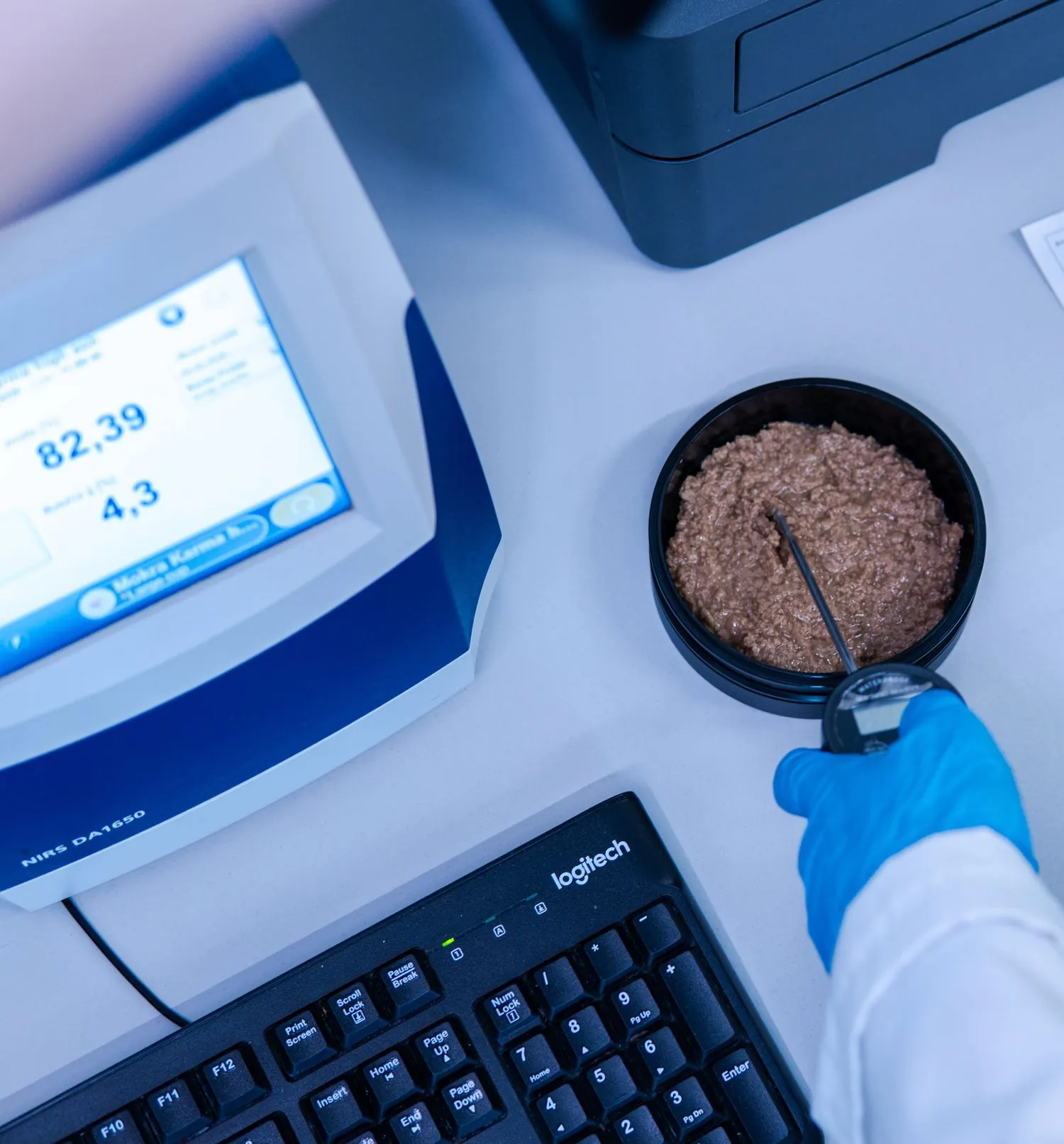
We utilize low-temperature cold extrusion processing (operating under 60°C) and dedicated low-heat dehydration tunnels specifically calibrated for heat-sensitive bio-actives. Furthermore, we offer micro-encapsulated active premixes and heat-stable postbiotics (such as spore-forming Bacillus coagulans) that survive thermal step pathogen elimination. Our in-house QC laboratory validates active marker potency post-production via HPLC to guarantee declared label claims across the entire shelf life.
2. What is the typical lead time from initial concept brief to finished product dispatch for private label functional treats?
Our standard turn-key launch timeline ranges between 45 and 60 days: 1–2 days for initial specification review and costed proposal, 14–21 days for recipe development, active premix blending, and lab sample approval, 7–10 days for pilot extrusion runs and water activity testing, 14–21 days for primary packaging print and full-scale commercial manufacturing, and 2–5 days for final QA release and dispatch from our plant in Koźmin Wielkopolski, Poland.
3. Can Global Pet's Food manufacture functional treats according to our brand's custom proprietary recipe?
Yes. We routinely enter into non-disclosure agreements (NDAs) to manufacture strictly to client-owned proprietary formulations. Our R&D technologists perform technical feasibility assessments, recommend active carrier optimization if necessary, and ensure full compliance with target market regulatory guidelines (FEDIAF for Europe, AAFCO for North America).
4. What food safety certifications and audit accreditations does your manufacturing facility hold?
Our plant holds higher-level certification under IFS Food (International Featured Standards), BRCGS (Global Standard for Food Safety), HACCP quality management systems, as well as ASC (Aquaculture Stewardship Council) and MSC (Marine Stewardship Council) Chain of Custody certifications for sustainable seafood ingredients. Full audit documentation and certificates are available upon request for supplier qualification.
5. What minimum order quantities (MOQs) apply for custom functional soft chew vs. air-dried meat strip lines?
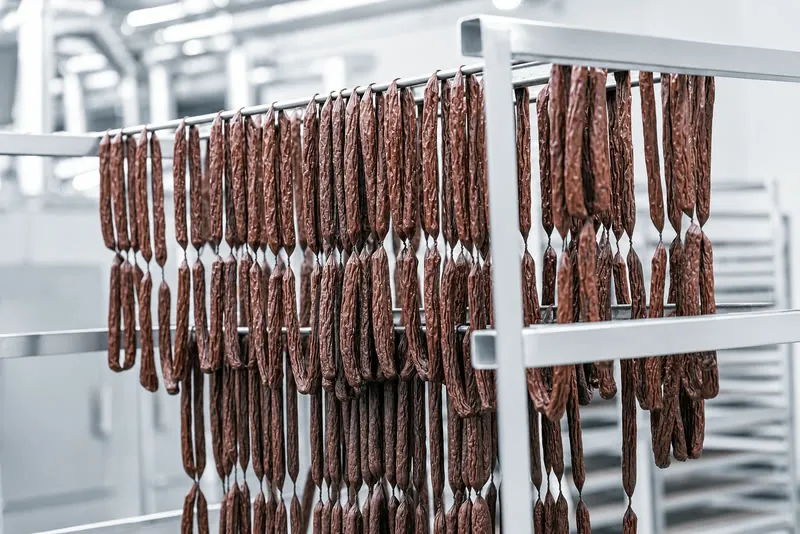
Standard OEM custom formulation MOQs start at 1,000 kg per SKU for cold-extruded soft chews and semi-moist functional bites, and 1,500 kg per SKU for low-temperature air-dried functional meat strips. For brands wishing to utilize our existing, pre-tested white-label functional formulas, lower volume tiers can be negotiated depending on packaging requirements.
6. How do you prevent dosage variance between individual chews within a single batch?
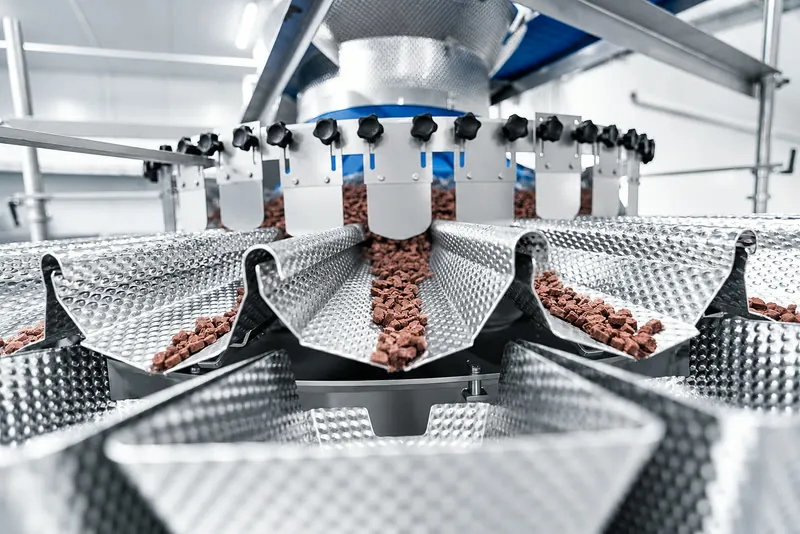
Dosage uniformity is controlled via automated gravimetric dosing equipment and continuous high-shear liquid/powder premix blenders. Our quality system enforces multi-point batch sampling during production (start, middle, and end of run), verifying that piece-weight tolerances stay within ±2% and active constituent concentrations match analytical target parameters.
7. What packaging options are available for functional dog treats to maintain freshness and prevent active oxidation?
We offer high-barrier aluminum-free recyclable Mono-PE and Mono-PP stand-up doypacks, flow packs with zipper closures, rigid tubs, and pocket-sized training pouches. All functional lines are packed using Modified Atmosphere Packaging (MAP) nitrogen flushing to displace oxygen, preventing lipid oxidation of omega fatty acids and preserving botanical potency.
8. Do you support international export documentation and legal health claim verification for global distribution?
Yes. Our in-house regulatory team ensures all ingredient declarations, nutritional facts, and functional benefit claims comply with EU Regulation (EC) No 767/2009, FEDIAF codes, and target export destination standards. We provide complete technical data sheets (TDS), certificates of analysis (CoA), export health certificates, and country-of-origin documentation.