Featured Wholesale & Private Label Food Solutions
Engineered for shelf-stability, superior texture retention, and compliant international distribution across major retail and B2B channels.
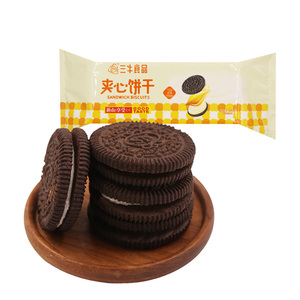
Sanniu Sweet Sandwich Biscuits Box 300g Healthy Snacks Chinese Food Exotic Crackers Biscuit Maker
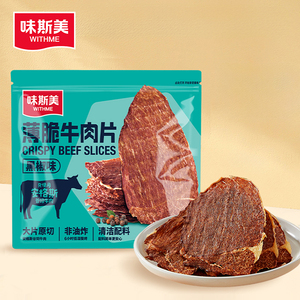
Chinese Spicy Snacks Wholesale 20g Bag individually packaged Black Pepper Flavor High Protein Dry Snacks Beef Jerky for Humans
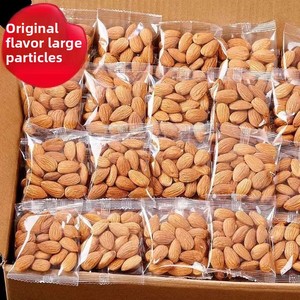
Almond Snacks 10g in Individual Small Packages Original Flavor Nut Snacks New Year Goods Wholesale & Delivery
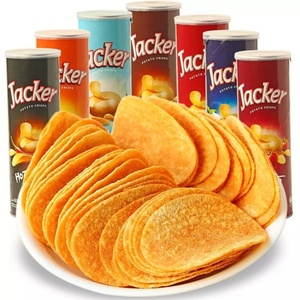
Wholesale Bulk Exotic Chips 70g Tasty Healthy Snack Exotic Snacks 180g Spicy Flavors Potato Chips with Can Package
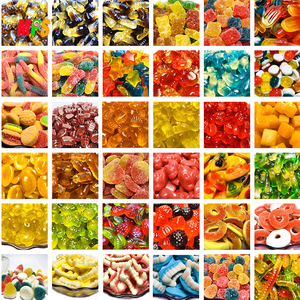
Wholesale Custom Halal Chinese Bulk Sweet Sour Flavor Jelly Gummy Sweets and Candies

Star Shape Cartoon Character Lollipop Stick 30g x 24pcs Display Box Mixed Fruity Bulk Wholesale Snack
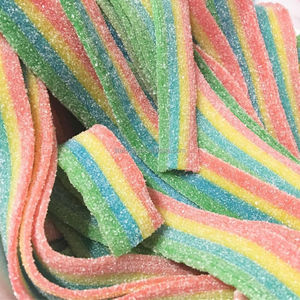
Wholesale Price High Quality Fruity Sweet Cartoon Shape Gummy Candy Halal Certified Snacks MiniCrush
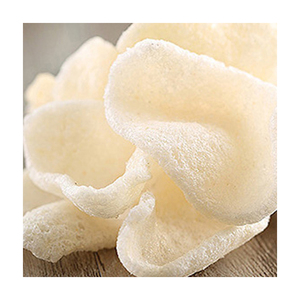
Factory Wholesale Crispy Prawn Crackers Seafood Snacks Customizable Flavors Bulk Packaging Health Snacks for Leisure
Factory Architecture & Quality Verification Assurance
Operating from purposed-built, eco-efficient manufacturing complexes engineered to maintain uncompromising standard compliance across international borders.
Global Compliance & Audit Standards
Our processing lines strictly adhere to international quality and food safety frameworks including IFS Food (Higher Level), BRCGS (Grade AA), HACCP, and ISO 22000. We pass annually audited compliance reviews to verify physical, chemical, and microbiological barrier consistency.
In-House QC & R&D Laboratory
Every batch undergoes rigorous internal analysis in our dedicated laboratory. We measure exact water activity ($a_w$), moisture profiles via Near-Infrared Spectrometry (NIR), heavy metals, organoleptic properties, and nutritional density to confirm consistency before releasing shipping pallets.
End-to-End Batch Traceability
Utilizing fully integrated enterprise ERP systems, we guarantee complete raw-material-to-container traceability. Every outgoing order carries digitized documentation linking farm-level ingredient sourcing directly to finished carton QR/barcode identification.
Supply Chain Advantage: By centralizing recipe development, low-temperature thermal processing, automated packaging, and export compliance under one roof, our partners shorten launch timelines from months to just 45 to 60 days from specification approval.
Strategic Sourcing Analysis: Sourcing Trends in the Global Dehydrated Food Market
The global dehydrated food sector is undergoing a massive structural transformation driven by shifts in consumer preferences toward minimal processing, clean-label ingredient profiles, and long shelf-life sustainability without synthetic chemical preservatives. Sourcing directors and enterprise procurement teams must navigate evolving market demands while optimizing supply chain efficiency and freight economics.
1. Transition Toward Low-Temperature Thermal Preservation
Traditional high-heat dehydration methods often lead to thermal degradation of critical volatile flavor compounds, color degradation, and significant nutrient loss. Advanced industrial manufacturing now leverages Multi-Stage Low-Temperature Belt Drying, Vacuum Microwave Dehydration (VMD), and Freeze-Drying (FD) integration.
- Nutrient Retention: Low-temperature belt drying maintains over 92% of original heat-sensitive phytonutrients and vitamins compared to standard hot-air tunnels.
- Structural Crispness: Precise vapor pressure differential management prevents internal matrix collapse, delivering natural structural crispness without relying on added hydrogenated fats or starch binders.
2. The Clean-Label & Pure-Ingredient Paradigm
Modern consumers actively audit ingredient lists for synthetic anti-caking agents, sodium preservatives, and artificial flavor enhancers. Major supermarket chains and brand owners are demanding short, recognizable ingredient lists. Procurement managers are prioritizing OEM manufacturers capable of achieving extended ambient shelf-life purely through thermodynamic water activity ($a_w$) suppression below $0.60$, effectively preventing pathogenic bacterial expansion (e.g., Salmonella spp., Listeria monocytogenes) without artificial additives.
3. Logistics Efficiency and Packaging Innovation
With international ocean freight volatility and rising ESG reporting standards, volume density optimization has become a critical procurement key performance indicator (KPI). Dehydrated foodstuffs reduce payload weight by up to 80-90% relative to fresh counterparts, drastically lowering carbon emissions per transport unit.
| Dehydration Technology | Moisture Range (%) | Water Activity ($a_w$) | Nutrient Retention Rate | Optimal Product Application |
|---|---|---|---|---|
| Multi-Stage Hot Air Drying (AD) | 3% - 7% | 0.30 - 0.55 | 75% - 85% | Extruded Biscuits, Crackers, Dried Vegetables |
| Vacuum Microwave Dehydration (VMD) | 2% - 5% | 0.25 - 0.45 | 88% - 94% | Fruit Crisp Chips, Specialty Snacks, Jerky |
| Industrial Freeze Drying (FD) | 1% - 3% | 0.15 - 0.30 | 95% - 98% | High-Protein Meat Jerky, Premium Biological Powders |
| Continuous Roasting & Toasting | 1.5% - 4% | 0.20 - 0.40 | 80% - 90% | Seasoned Nut Snacks, Roasted Almonds & Seeds |
Engineering Excellence: Thermodynamic Control & Quality Matrix
Achieving superior sensory profiles in dehydrated snacks demands rigorous engineering control over moisture desorption isotherms and physical glass transition temperatures ($T_g$). When water is extracted during dehydration, food structures move from a rubbery state to a stable glassy matrix. Maintaining this thermodynamic state throughout transportation prevents product sogginess, lipid oxidation, and flavor staling.
Precision Water Activity Management
Water activity ($a_w$), rather than total moisture percentage, governs microbial viability and chemical degradation reactions. Our continuous automated dehydration zones utilize real-time relative humidity sensors to keep output $a_w$ reliably beneath the $0.60$ threshold, blocking enzymatic browning and hydrolytic rancidity.
Flavor Encapsulation & Coating Technology
For custom flavored chips, biscuits, and extruded snacks, post-drying oil spraying and vacuum seasoning drum technology ensure even flavor distribution without creating localized moisture pockets that compromise crunchiness or package seal integrity.
Private Label OEM/ODM Execution Architecture
A transparent, audited 6-step project pathway taking your brand from initial sensory brief to full-container export delivery.
1. Brief & Formulation Strategy
Clients define target market requirements, nutritional goals, packaging specs, and price thresholds. Non-Disclosure Agreements (NDAs) are signed immediately.
2. R&D & Benchtop Sampling
Our food technologists formulate trial samples, adjusting texture profiles, moisture parameters, and seasonings. Lab reports confirm initial $a_w$ and nutrition density.
3. Pilot Run & Validation
Formulations move to automated pilot lines to establish precise thermal curves, verify packaging film barrier compatibility, and confirm high-speed line efficiency.
4. Packaging & Regulatory Review
Our regulatory team validates multi-language ingredient panels, allergen disclosures, nutritional claims, and barcode scannability against target import regulations.
5. High-Volume Production
Scalable manufacturing commences across automated continuous drying lines. In-line metal detection, X-ray inspection, and check-weighing safeguard every unit.
6. Export Logistics & Dispatch
Palletized goods undergo final lab release. Full customs export documentation, Phytosanitary certificates, Certificates of Analysis (CoA), and Bills of Lading are generated.
Frequently Asked B2B Sourcing Questions
Clear technical and commercial guidance for enterprise sourcing teams, importers, and private label brand managers.
What is the standard lead time for private label contract manufacturing orders?
How does your factory ensure consistency in moisture levels and crunchiness across bulk batches?
What Minimum Order Quantities (MOQs) are required for custom formulations and OEM packaging?
Can you manufacture Halal-certified and customized flavor profile snacks for export?
What international quality certifications and export documentation do you provide?
How do you handle custom packaging design, high-barrier film selection, and shelf-life optimization?
Partner with a Trusted Global Dehydrated Food Manufacturer
Scale your brand with precision thermal processing, reliable B2B supply chains, and certified food safety standards. Contact our OEM sales team for a custom quote and sample kit.