Turnkey Contract Packaging Product Showcase
Explore our high-capacity OEM/ODM contract packaging executions across flexible pouches, rigid cans, thermoformed trays, and individually wrapped retail formats.
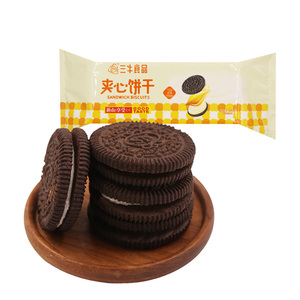
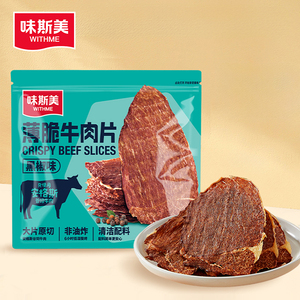
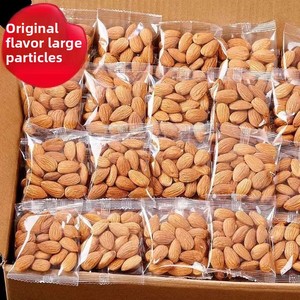
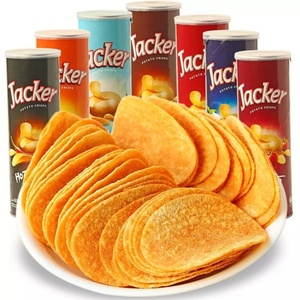



Comprehensive Packaging Infrastructure & Technical Capabilities
Delivering end-to-end contract packaging engineering: from high-barrier film extrusion to automated secondary cartoning and export logistics.
Primary Packaging Engineering
Advanced Form-Fill-Seal (FFS), Rotary Pouch Filling, Retort Pouch Sterilization (121°C–128°C), Nitrogen Flushing (MAP) maintaining residual oxygen <0.5%, and Composite Can Seaming.
Quality & Food Safety Standards
Operating under strict audit frameworks: GFSI-recognized standards including BRCGS Food Issue 9, IFS Food V8, HACCP, Halal, Kosher, and FDA Food Facility Registration.
Sustainable Material Options
Full-scale conversion capabilities for Recyclable Mono-PE/Mono-PP laminates, certified Home-Compostable Films, FSC® Certified Paperboards, and PCR (Post-Consumer Recycled) content.
Navigating the China Contract Packaging & Exporter Ecosystem: An Industrial Whitepaper
In the current global fast-moving consumer goods (FMCG) market, international brand owners, retail chains, and food distributors face unprecedented pressure to accelerate product release cycles while reducing total cost of ownership (TCO) and satisfying stringent ESG requirements. China’s contract packaging (co-packing) and OEM/ODM export market has transitioned from low-cost assembly to an advanced technological ecosystem driven by automated machinery, rigorous food safety governance, and material science innovation.
As a premier China Contract Packaging Supplier and Exporter, our manufacturing network provides fully integrated co-manufacturing, secondary packaging, custom structural design, and global regulatory compliance management. By merging state-of-the-art packaging technology with rigorous internal quality control standards, we enable overseas brand owners to scale production safely and efficiently.
Technical Capability Matrix: Formats, Technologies & Lead Times
To assist procurement managers, brand managers, and packaging engineers in evaluating co-packing partners, the table below outlines our technical specifications across major consumer food and snack product categories:
| Category | Primary Packaging Technology | Barrier & Material Profile | Packaging Format Options | Benchmark Lead Time |
|---|---|---|---|---|
| Dry Bakery & Crackers | Automated Tray Loading & Flow Wrap | BOPP/VMCPP (WVTR <1.0g/m²/24h) | Individual Sachet, Family Box, Display Tray | 35 – 45 Days |
| High-Protein Beef Jerky | Nitrogen Flush MAP / Vacuum Sachet | PET/AL/PE (OTR <0.5cm³/m²/24h) | Pillow Bag, Stand-Up Doypack, Zipper Pouch | 40 – 50 Days |
| Nuts & Dry Fruits | Multi-head Weigher & Gas Flushing | PET/AL/PE, Mono-PE Recyclable | Single-Serve 10g Sachets, Bulk Resealable Bags | 30 – 40 Days |
| Extruded Chips & Snacks | Rigid Can Seaming & Nitrogen Injection | Paper/AL/PE Composite Can, Rigid PET Tube | 70g Can, 180g Can, Bulk Pillow Pack | 45 – 50 Days |
| Confectionery & Gummies | High-Speed Single Wrap & Multi-Packing | PET/CPP, Halal/Kosher Compliant Laminate | Individual Pillow Wrapping, Display Box, Jar | 35 – 45 Days |
| Retort & Wet Foods | Thermal Processing Retort Sterilization | 4-Ply Alupack Foil (121°C–128°C resistant) | 85g-500g Retort Pouch, Aluminum Tray, Can | 45 – 60 Days |
Strategic Trends Shaping Contract Packaging Procurement in 2025–2030
Procurement teams seeking long-term competitive advantage must align with forward-looking packaging innovations. Based on market intelligence across global retail channels, five macro trends are defining contract packaging decisions:
1. The Shift to High-Barrier Mono-Material Recyclable Laminates
Extended Producer Responsibility (EPR) regulations in Western nations (such as the EU Packaging and Packaging Waste Regulation - PPWR) are forcing a rapid phase-out of traditional multi-layer non-recyclable structures (such as PET/AL/PE). Leading Chinese contract packaging plants have invested heavily in electron-beam coating and MDO-PE (Machine Direction Oriented Polyethylene) film lines. These innovations allow single-material PE or PP pouches to achieve Water Vapor Transmission Rates (WVTR) and Oxygen Transmission Rates (OTR) comparable to traditional aluminum foil while remaining fully recyclable within standard waste streams.
2. Modified Atmosphere Packaging (MAP) & Active Shelf-Life Extension
For high-protein jerky, roasted nuts, and delicate crackers, preserving organoleptic properties without artificial preservatives is critical. Advanced contract packagers utilize continuous nitrogen-displacement systems that lower residual headroom oxygen levels below 0.5%. Incorporating active packaging solutions—such as food-grade oxygen absorbers and moisture-control masterbatches—significantly extends export shelf life, protecting products during transoceanic shipping.
3. Smart Packaging and Granular Batch Traceability
Transparency is no longer optional. Modern co-packing lines incorporate high-speed laser coding and inline dynamic vision inspection to print unique 2D GS1 DataMatrix codes or serial QR codes on both primary sachets and secondary display boxes. This grants brand owners real-time supply chain visibility, simplifies customs compliance checks, and safeguards against gray-market diversion.
4. Flexibility in Small Batch Customization (Low MOQs)
Traditional contract packaging plants demanded massive production runs. Today's market favors agility. Utilizing quick-changeover automated lines and digital short-run printing for flexible packaging allows brand owners to test seasonal variations, regional packaging adjustments, and novel flavor profiles without incurring excessive inventory risk.
Evaluating a China Co-Packer: Quality Assurance & Risk Mitigation Framework
Partnering with an overseas contract packaging vendor requires a robust due-diligence framework. Below is the multi-tiered evaluation methodology implemented by enterprise procurement teams when auditing facilities in China:
- Certifications & Regulatory Registration: Verify that the co-packer holds valid GFSI-recognized certifications (BRCGS, IFS Food V8) along with target-market registration (e.g., FDA Food Facility Registration, US Department of Agriculture approval, Halal/Kosher compliance).
- On-Site Laboratory Testing Capabilities: Ensure the packaging facility maintains an accredited in-house Quality Control (QC) laboratory equipped for seal-strength testing (burst testing), gas chromatography for residual solvent measurement, microbiological screening, and micro-leak detection.
- Traceability & Recall Protocols: Validate that the factory operates an integrated ERP and Manufacturing Execution System (MES) capable of conducting full forward and backward mock recalls within 2 hours.
- Social Compliance & Environmental Governance: Confirm adherence to SMETA (Sedex Members Ethical Trade Audit) or BSCI standards, ensuring ethical labor practices and environmental responsibility.
Our Core Corporate Advantages: Why Leading Global Brands Partner With Us
With years of specialized experience in international food export and contract packaging engineering, our facility serves as a complete strategic operational hub for global brand owners:
- End-to-End In-House Execution: From raw material sourcing, formula customization, primary packaging, and automated display assembly to export customs clearance—everything is controlled under a single operational management system, eliminating intermediate handoff friction and delays.
- 18 Modern Automated Packaging Lines: Our production floor houses multi-lane liquid pouch fillers, high-speed rotary packaging machines for pre-made stand-up pouches, rigid composite can seaming lines, and automated secondary cartoning equipment.
- Strict 4-Level Quality Control Protocol: Every order undergoes strict intake raw material testing, inline Critical Control Point (CCP) monitoring, laboratory chemical/microbiological release clearance, and pre-shipment container inspection.
- Comprehensive Export Documentation Support: We supply full technical dossiers for hassle-free customs clearance worldwide, including Certificates of Analysis (COA), Phytosanitary Certificates, Health Certificates, Free Sale Certificates, and Form E/F Origin Documentation.
Frequently Asked Questions (FAQ)
Direct technical and operational answers to common questions asked by procurement directors, brand owners, and supply chain managers.