Global Seafood Procurement & Whitepaper Guide

Top China Canned Tuna Suppliers & Exporter

An authoritative analysis of oceanic raw material sourcing, thermal retort sterilization engineering, private label OEM capabilities, and international trade compliance.

Enterprise OEM & Export Portfolio

Featured Canned Tuna & Processed Seafood Products

Directly available for global wholesale procurement, private label contract manufacturing, and retail chain distribution. Engineered for high drained weight yield, organoleptic freshness, and zero-defect shelf stability.

Solid White Albacore Tuna in Extra Virgin Olive Oil Albacore Premium

Solid White Albacore Tuna in Extra Virgin Olive Oil (185g Can)

Hand-filleted wild Albacore (Thunnus alalunga) packed in cold-pressed Mediterranean olive oil. Delivers firm texture, rich Omega-3 profile, and low flake ratio.

  • Media: Extra Virgin Olive Oil / Organic Oil
  • Drained Wt Ratio: ≥70% (130g min)
  • Packaging: 48 Cans / Master Carton
  • Shelf Life: 36 Months | Retort Sterilized
Chunk Light Skipjack Tuna in Pure Brine Foodservice Pouch

Chunk Light Skipjack Tuna in Brine (1000g Retort Flexible Pouch)

Commercial catering grade Skipjack (Katsuwonus pelamis) in purified sea salt brine. High-yield pouch minimizes kitchen prep time and reduces shipping freight costs.

  • Media: Purified Water & 1.2% Salt Brine
  • Drained Wt Ratio: ≥68% (680g min)
  • Packaging: 10 Pouches / Carton
  • Certification: BRCGS Grade AA+, Halal
Flaked Yellowfin Tuna with Cracked Black Pepper Gourmet Snack

Flaked Yellowfin Tuna with Black Pepper & Sunflower Oil (80g Pouch)

Single-serve gourmet snack pack crafted from line-caught Yellowfin (Thunnus albacares) infused with cracked coarse black pepper and high-oleic sunflower oil.

  • Media: Refined Sunflower Oil + Spice Infusion
  • Format: Easy-Tear Aluminum Retort Foil Pouch
  • Sodium Content: Controlled Low-Sodium Formula
  • Histamine: Verified <15 ppm per batch
Spicy Chili & Herb Infused Tuna Flakes Multi-Pack Retail Club Set

Spicy Chili & Herb Infused Tuna Flakes (Club Store 4-Pack Cans)

Value multipack tailored for supermarket chain shelves. Features tender tuna flakes marinated in natural red chili extract, garlic, and Mediterranean herbs.

  • Can Format: 170g EOE (Easy-Open End) Can
  • Shrink Wrap: Custom Printed 4-Can Sleeve
  • Lacquer: Organosol / BPA-Non-Intent Liner
  • Target Retail: Supermarket & Club Store OEM
Halal Sweet & Sour Teriyaki Glazed Tuna Cubes Halal Certified

Halal Teriyaki Glazed Tuna Cubes in Ready-to-Eat Easy Open Can

Ready-to-eat pan-Asian formulation featuring diced tuna loin steaks smothered in rich soy-teriyaki glaze. Fully compliant with GCC & Southeast Asian Halal standards.

  • Recipe: Teriyaki Glaze + Sesame Seed Accent
  • Certification: JAKIM / MUI Halal Accredited
  • Can Size: 150g Oval / Easy Open Lid
  • Target Market: Middle East & SEA Retail
Omega-3 Enriched Kid-Friendly Tuna Squeeze Spread Functional Foods

Low-Sodium Omega-3 Tuna Spread (30g Portioned Squeeze Tubes)

Innovative smooth tuna paste enriched with natural DHA ocean lipids. Formulated for children's lunchboxes, quick sandwiches, and active lifestyle nutrition.

  • Texture: Ultra-Fine Emulsified Tuna Spread
  • Additives: Zero Artificial Preservatives / Clean Label
  • DHA Content: 250mg per 30g Portion
  • Display: 24-Piece Retail Counter Box
Yellowfin Tuna Fillet in Spring Water Natural Clean Label

Yellowfin Tuna Fillet Steaks in Spring Water (120g Mini Cans)

Whole loin fillet slices packed in pristine mountain spring water. Ideal for fitness-conscious consumers seeking maximum protein with minimal lipid calories.

  • Protein Ratio: 26g Protein per 100g Drained Wt
  • Fat Ratio: <1.0% Natural Lipids
  • Can Standard: Stackable EOE Tinplate Can
  • Audit Clearance: US FDA FCE / SID Registered
Dehydrated Crispy Tuna Protein Chips Snack Seafood Snack Innovation

Dehydrated Crispy Tuna Protein Chips (Bulk Wholesale 500g Bag)

Next-generation seafood snack created via low-temperature vacuum puffing of minced tuna meat. Delivers a crunchy potato-chip-like bite with 60% marine protein.

  • Processing: Low-Temp Vacuum Dehydration
  • Flavor Options: Sea Salt, Wasabi, Spicy BBQ
  • Bulk Packaging: Nitrogen-Flushed Foil Bag
  • Moisture Content: <3.5% for Extended Crispness
65,000+
Metric Tons Annual Output
18
Automated Canning Lines
<20 ppm
Strict Histamine Control Limit
80+
Global Export Markets
B2B Procurement Whitepaper & Strategic Intelligence

Navigating China’s Canned Tuna Manufacturing & Supply Chain Ecosystem

An in-depth analysis of raw material sourcing, thermal process engineering, and international trade compliance for global seafood buyers.

China Canned Tuna Manufacturing Facility & Processing Hall

1. Raw Material Sourcing & Oceanic Supply Chain Control

China has evolved into a global titan for canned tuna processing due to its strategic deep-sea fishing fleet partnerships and optimized logistics hubs along the Eastern seaboard (Ningbo-Zhoushan, Shandong, and Fujian). Global procurement officers must understand that final canned quality depends directly on cold-chain integrity immediately after capture.

Leading Chinese tuna processors source wild-caught tunas primarily from FAO Major Fishing Areas 51 (Indian Ocean), 57 (Eastern Indian Ocean), and 71/77 (Pacific Ocean). Tunas are brine-frozen onboard purse seiners at -18°C to -30°C within hours of landing to halt enzymatic degradation and histamine formation. Importers should mandate MSC (Marine Stewardship Council) Chain of Custody documentation to guarantee legal, unreported, and unregulated (IUU) free fish supply.

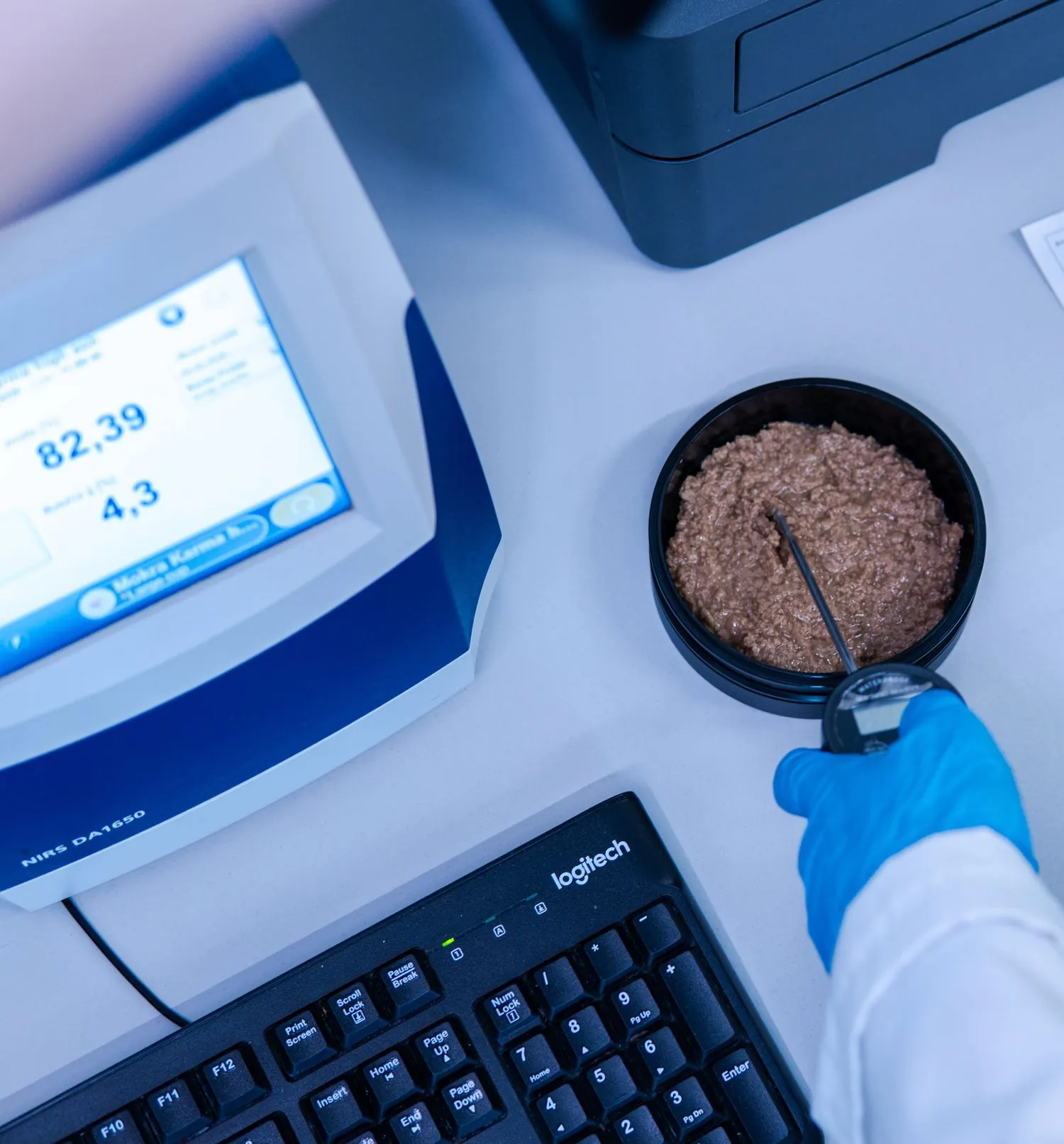
Seafood Quality Control Laboratory & Histamine Testing

2. Histamine Control Protocol & Retort Sterilization Physics

Histamine poisoning (Scombrotoxicosis) represents the single greatest regulatory risk in canned tuna import. Histamine is created when histidine decarboxylase enzymes—produced by bacteria such as Morganella morganii—convert free histidine in tuna flesh into histamine under temperature abuse.

Top-tier Chinese exporters implement rigorous HPLC (High-Performance Liquid Chromatography) testing at three critical control points: raw vessel discharge, post-thawing, and pre-canning. While Codex Alimentarius permits up to 100 mg/kg (ppm), premier Chinese factories enforce an internal safety threshold of <20 ppm histamine. Thermal retort sterilization is executed in overpressure autoclaves, maintaining thermal lethality values ($F_0 \ge 12.0$) to completely eliminate Clostridium botulinum spores while preventing overcooking and muscle breakdown.

Technical Capability & Packaging Specs

B2B Manufacturing Specifications & Container Logistics

Standard parameters for OEM, private label, and commercial food distribution contracts.

Can / Format Type Grammage / Net Wt. Drained Weight Ratio Media / Sauce Options Internal Can Coating Container Loading (20ft FCL)
185g Round Tinplate Can 185g (6.5 oz) 70% (130g ± 2g) Pure Olive Oil, Sunflower Oil, Brine BPA-NI Organosol / Epoxy Phenolic approx. 1,800 Cartons (48 Cans/Ctn)
170g Round Aluminum EOE 170g (6.0 oz) 65% - 70% (112g - 120g) Spring Water, Spicy Chili Oil, Tomato Sauce BPA-NI Anodized Shield approx. 2,000 Cartons (48 Cans/Ctn)
80g Slim Snack Pouch 80g (2.8 oz) 75% (60g ± 1.5g) Infused Oils, Herb & Lemon Dressing High-Barrier PET/AL/NY/CPP Foil approx. 3,200 Cartons (96 Pouches/Ctn)
1000g Flexible Retort Pouch 1000g (35.2 oz) 68% - 70% (680g - 700g) Catering Brine, Salad Dressing Oil Base Multi-layer Aluminum Retort Laminate approx. 1,500 Cartons (10 Pouches/Ctn)
1880g Catering Club Can (#10) 1880g (66.3 oz) 70% (1316g ± 10g) Vegetable Oil, Heavy Salt Brine Triple-Lacquered Anti-Corrosion Tin approx. 1,000 Cartons (6 Cans/Ctn)
Global Trade Clearance & Audited Quality Standards

International Certifications Held by Premier China Exporters

Our manufacturing operations maintain active registrations and third-party audit clearances required by strict customs authorities across North America, the European Union, the United Kingdom, Japan, and the GCC.

IFS Food Standard Certificate
IFS Food v8
BRCGS Global Food Safety Standard
BRCGS Grade AA+
HACCP Safety Standard
HACCP Certified
ASC Stewardship Council
ASC Chain of Custody
MSC Marine Stewardship Council
MSC Sustainable
Industry Horizon & Innovation Radar

Future Sourcing & Packaging Trends in Canned Seafood

Key market shifts driving global B2B procurement strategies over the next decade.

01

The Flexible Retort Pouch Takeover

Rigid tin cans are rapidly losing market share in foodservice and meal-kit assembly to multi-layer flexible retort pouches. Retort pouches deliver 40% lower transport carbon footprint, require no can-openers, reduce drained weight liquid waste, and cut thermal processing times by 30%, resulting in superior fish fillet texture and higher vitamin retention.

02

BPA-NI & Eco-Coating Compliance

European Union regulations (EC 1935/2004) and US FDA directives have accelerated the total phase-out of Bisphenol-A (BPA) epoxy can liners. Chinese manufacturers are transitioning to next-generation organosol, polyester, and acrylic inner lacquers (BPA-Non-Intent) engineered specifically to withstand acidic tomato or brine media without metal migration.

03

Value-Added Flavor Infusions

Standard tuna in vegetable oil is giving way to gourmet, ready-to-eat flavor profiles. High-margin retail trends highlight avocado oil packs, smoked paprika infusions, extra virgin olive oil with sea salt, lemon pepper, and regional chili accents. Private label buyers must leverage OEM facilities capable of automated multi-ingredient liquid dosing.

04

Full Traceability & Digital Catch Certificates

Global buyers now demand end-to-end QR code traceability from ocean to store shelf. Leading Chinese exporters integrate digital vessel logbook data, vessel IMO registration, harvest location (FAO sub-zone), landing port clearance, and thermal autoclave chart logs directly into batch certificate packages.

Automated Canning Line & Retort Autoclave Control Room
Structured B2B Execution

5-Step Private Label Procurement Lifecycle

From initial formulation match to global port customs clearance, our standardized production workflow ensures 100% specification compliance.

Step 01: Brief & Specification Match (1-3 Days)
Establish fish species (Skipjack/Yellowfin/Albacore), packing medium, drained weight target, can dimensions, and target retail market compliance.

Step 02: Benchtop R&D & Sample Verification (5-7 Days)
Prepare physical bench samples for sensory evaluation, drained weight verification, salt level tuning, and oil-to-water ratio approval.

Step 03: Can Artwork & Retort Validation (7-10 Days)
Finalize lithographed tinplate printing or foil pouch cylinder engravings. Validate thermal retort lethality curves ($F_0$ value) for custom recipes.

Step 04: Mass Production & Incubation Quarantine (14-21 Days)
Automated high-speed canning, vacuum double seaming, autoclave sterilization, and compulsory 10-day 37°C incubation testing for micro stability.

Step 05: Third-Party Lab Release & Export Dispatch (3-5 Days)
Final SGS / Intertek batch inspection for histamine, heavy metals (Pb, Cd, Hg), and net weight. Release of Health Certificate and Catch Certificate for customs clearance.
Procurement Guidance & Technical Support

Frequently Asked Questions (FAQ) for Global Importers

Detailed technical answers to common queries regarding canned tuna importing, OEM customization, and quality control.

What is the typical Minimum Order Quantity (MOQ) for custom private label canned tuna?

For standard lithographed tinplate cans (e.g., 185g or 170g), the typical baseline MOQ is 1 x 20-foot Full Container Load (FCL) per specification, which equals approximately 1,800 to 2,000 master cartons (approx. 86,400 to 96,000 cans). If you utilize unprinted plain cans with custom pressure-sensitive paper/plastic labels or shrink sleeves, MOQs can be reduced to 500 cartons per SKU, allowing multi-flavor consolidation within a single 20ft container.

How do Chinese exporters guarantee histamine levels below international limits?

Histamine control relies on strict cold chain continuity. Vessels freeze tuna immediately upon catch to -18°C. Upon vessel arrival at our factory dock, fish temperature is logged, and raw flesh samples undergo immediate HPLC laboratory screening. Defrosting is performed in temperature-controlled water baths below 10°C. Pre-cooked loins are processed in air-conditioned clean rooms. Post-packing, random batch samples are held in 37°C incubation chambers for 10 days before releasing final Certificate of Analysis (COA) documents confirming histamine levels well under 20 ppm.

What documentation is supplied for US FDA and EU import customs clearance?

Every commercial export consignment is accompanied by a full export documentation bundle, including: 1) Official Health Certificate issued by China Inspection and Quarantine (CIQ / Customs); 2) Catch Certificate (validating non-IUU wild capture origin); 3) Certificate of Analysis (COA) covering heavy metals (Mercury, Lead, Cadmium), Histamine, and Micro-sterility; 4) Packing List & Commercial Invoice; 5) Bill of Lading; and 6) US FDA FCE (Food Cannery Establishment) and SID (Submission Identifier) filings for low-acid canned food clearance into North America.

Can we customize the packing media, oil blends, and salt content?

Yes. As a primary OEM manufacturer, we provide total recipe customization. Media options include 100% Extra Virgin Olive Oil, Refined Olive Oil, High-Oleic Sunflower Oil, Soybean Oil, Pure Spring Water, 1.0%–1.5% Low-Sodium Sea Salt Brine, Spicy Chili Marinade, Tomato Sauce, and Custom Herbs. We also adjust the fish-to-liquid fill ratio to meet specific target drained weight requirements (e.g., 65%, 70%, or 75% solid content).

What is the shelf life stability and retort heat treatment standard?

All canned tuna products undergo commercial sterilization in high-pressure computer-controlled retort autoclaves. The process achieves a thermal lethality value ($F_0$) greater than 12.0, which far exceeds the threshold required to destroy heat-resistant bacterial endospores. Under proper ambient storage conditions (cool, dry environment), sealed canned tuna maintains a certified shelf life of 36 months to 60 months (3 to 5 years) without sensory deterioration or nutritional decay.

What internal can coatings are used to prevent tin migration and sulfide staining?

We utilize high-grade food-contact lacquers compliant with EU Regulation (EU) No 10/2011 and US FDA 21 CFR 175.300. For fish packed in oil or brine, we apply internal Organosol or Epoxy Phenolic coatings enriched with Zinc Oxide (ZnO) additives. The zinc reacts with sulfur compounds naturally released by fish proteins during thermal retort sterilization, creating harmless invisible zinc sulfide and preventing unsightly black sulfide staining on the inner can wall.

Ready to Scale Your Canned Tuna Supply Chain?

Connect directly with our engineering and export trade department. We deliver rapid OEM quotations, customized bench samples, and technical specification sheets within 24 hours.