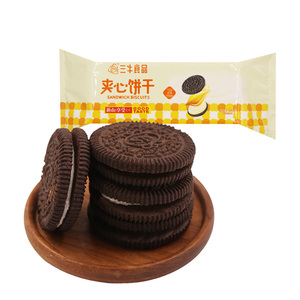
Sweet & Savory Soft Treat Rigid Display Boxes
Multi-layer protective cardboard with inner foil barrier, designed for premium pet biscuit display boxes and snack assortments.
Engineered for extended shelf-life, puncture resistance, and oxygen/moisture barrier protection across retail and industrial pet food supply chains.
Multi-layer protective cardboard with inner foil barrier, designed for premium pet biscuit display boxes and snack assortments.
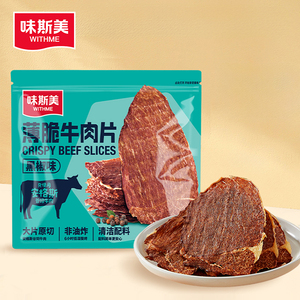
Vacuum-sealed high-barrier flow packs engineered for high-protein meat strips, preventing fat oxidation and moisture entry.
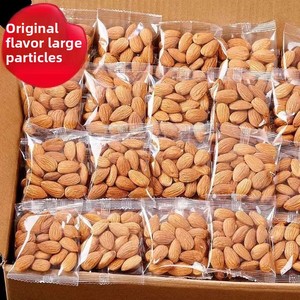
Clean-label 10g portion sachets with tear notches, ideal for functional pet supplements, nut snacks, and daily treat reward packs.
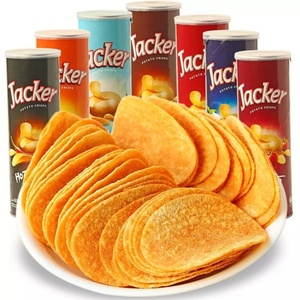
Rigid round tinplate/composite cans combined with re-sealable bulk bags for exotic chips, kibble toppers, and crispy pet nibbles.
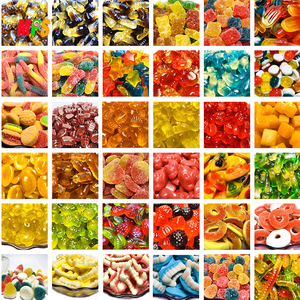
High-clarity film stand-up pouches with press-to-close zippers for gummy treats, chewable supplements, and bulk candies.

Heavy-duty corrugated display packaging housing individual stick wraps, lollipops, and impulse-buy pet treats for retail store shelves.
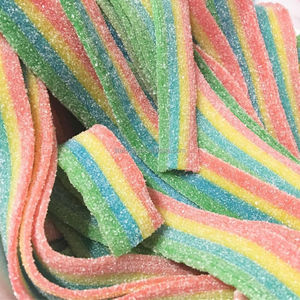
Automated horizontal flow wrapping for mini dental candies, fruity bites, and portion-controlled training treats.
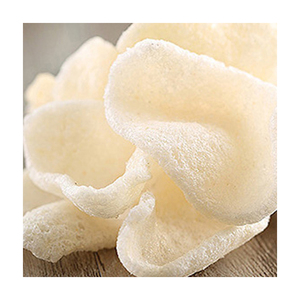
Gas-impermeable laminated pouches optimized for oily or aromatic snacks such as prawn crackers, fish skins, and dried seafood chews.
An authoritative technical evaluation of high-barrier laminates, mono-material sustainability mandates, and factory selection criteria for multinational pet care brands.
The global pet food packaging market is experiencing unprecedented technical transformation driven by humanization trends, nutritional premiumization, and stringent European ESG directives. According to recent packaging engineering audits, over 74% of pet food purchasing decisions at the retail shelf are directly influenced by structural package integrity, tactile quality, and clear environmental labeling. However, pet food packaging engineering presents unique biochemical challenges compared to human food systems.
High-fat kibble, moist meat pastes, and aromatic dehydrated treats contain active lipids, volatile aromatic compounds, and varying water activity levels ($a_w$). Without specialized gas-barrier structures, lipid autoxidation leads to rancidity, organoleptic degradation, and loss of essential fatty acids (such as Omega-3 and Omega-6). Consequently, evaluating a contract manufacturer or specialized packaging factory requires deep technical scrutiny of their laminating technologies, Oxygen Transmission Rates (OTR), Water Vapor Transmission Rates (WVTR), and retort thermal endurance capabilities.
Historically, high-barrier wet cat food pouches and wet dog food trays relied heavily on aluminum foil laminates (e.g., PET/ALU/R-CPP). While providing near-zero OTR and WVTR, aluminum structures cannot be recycled in municipal mechanical sorting streams, forcing brand owners to face steep extended producer responsibility (EPR) financial penalties across the EU and North America.
Leading pet packaging factories have introduced Mono-Material Recyclable Structures (such as MDO-PE/PE and oriented PP/CPP) enhanced with ethylene-vinyl alcohol (EVOH) co-extrusions or SiOx/AlOx ceramic coatings. These high-engineering structures achieve barrier protection levels comparable to traditional aluminum while meeting 100% mechanical recycling compliance under ISO 18604 protocols.
Engineered for thermal processing up to 121°C–131°C under pressure. Essential for wet dog and cat food formulas, preserving sterility without preservative additives.
Heavy-duty quad-seal and flat-bottom bags (0.5kg to 15kg) featuring drop-test resistance, anti-skid coatings, degassing valves, and slider zippers.
Nitrogen-flushed single-layer or multi-layer pouches engineered for dried meat strips, training chews, and dental bones to eliminate fat migration.
A rigorous comparative analysis of the world's leading pet packaging factories based on technical capacity, food-safety certifications, sustainability portfolios, and B2B minimum order quantities (MOQ).
| Manufacturer / Factory | Primary Packaging Specialization | Key Certifications | Barrier Technology | Est. Lead Time |
|---|---|---|---|---|
| 1. Global Pet's Food Packaging (Poland / EU) | Retort Pouches (Alupack), Kibble Bags, Wet Food Cans, Doypacks | IFS Food, BRCGS, HACCP, ASC, MSC | Mono-PE Recyclable, EVOH High-Barrier, Retort Laminates | 45 – 60 Days |
| 2. Mondi Group (Europe / Global) | Paper-based FlexiBags, Recyclable Mono-Material Kibble Pouches | BRCGS PacSecure, ISO 9001, FSC® | EcoFlex Recyclable PE, Barrier Paper Coatings | 50 – 70 Days |
| 3. Amcor Flexibles (Global) | AmLite Ultra Recyclable Retort Pouches, Canister Liners | IFS PacSecure, BRCGS, ISO 22000 | Thin-film AlOx Ceramic Coated Laminates | 60 – 75 Days |
| 4. Coveris Flexibles (UK / Europe) | Lightweight Polyethylene Bagging, Stand-Up Treat Doypacks | BRCGS, ISO 14001, FSSC 22000 | Neoflex Mono-PE, High-Gloss Anti-Scratch Film | 40 – 60 Days |
| 5. Sonoco Products Company (USA / Global) | Rigid Paperboard Canisters, Treat Tubs, Metal Packaging Ends | SQF Level 3, BRCGS, ISO 9001 | EnviroCan Recyclable Rigid Paper Composite | 55 – 70 Days |
| 6. Huhtamaki (Finland / Asia) | Thermoformed Wet Food Trays, Flexible Barrier Laminates | BRCGS, IFS Food, ISO 22000 | Push-Up Mono-Material Polypropylene Trays | 50 – 65 Days |
| 7. Winpak Ltd. (North America) | Modified Atmosphere Packaging (MAP) Films, Lidding Foils | SQF, BRCGS, FDA Compliant | 11-Layer Co-extruded High-Barrier Film | 45 – 60 Days |
| 8. ProAmpac (USA / Europe) | PRO-TEX® Retort Pouches, Quad-Seal Pet Food Bags | BRCGS Packaging, SQF, ISO 9001 | PRO-EVOH Recyclable High-Barrier Structures | 50 – 70 Days |
| 9. Constantia Flexibles (Austria / Global) | Alufoil Wet Cat Food Containers, Die-Cut Lidding Solutions | IFS, BRCGS, ISO 15378 | EcoLam Ultra-Thin Barrier Foils & Recyclable CPP | 55 – 65 Days |
| 10. Printpack (USA) | Resealable Zipper Pouches, Heavy-Duty Extrusion Coated Bags | SQF Certified, ISO 9001 | Resealable Easy-Open Lamination Films | 45 – 60 Days |
Operating from a purpose-built 18-line facility in Koźmin Wielkopolski, Poland, Global Pet's Food integrates recipe development, wet/dry production, and packaging extrusion in a single owner-managed ecosystem.
Technical Edge: Complete mastery of Alupack pouches (85g–500g), tinplate cans (85g–1250g), and mono-PE stand-up doypacks. Fully audited under IFS Food and BRCGS standards with end-to-end ASC/MSC seafood chain of custody certification.
Mondi specializes in sustainable paper-based packaging and flexible barrier films for large-format pet food brands operating across European retail networks.
Technical Edge: Market-leading paper bag tear resistance, proprietary functional barrier paper coatings, and integrated forestry management certified by FSC®.
Amcor is a world leader in developing ultra-thin barrier packaging, focusing heavily on reducing raw material consumption without sacrificing oxygen barrier performance.
Technical Edge: High-performance AmLite packaging line replacing metal layers with transparent ceramic coatings, enabling consumers to inspect food contents.
Key technological, regulatory, and consumer shifts that procurement directors must integrate into their multi-year supply chain strategies.
By late 2026, regulatory frameworks in the EU will impose strict financial penalties on non-recyclable multi-material packaging. Sourcing departments are actively transitioning portfolios to Mono-PE and Mono-PP doypacks engineered with heat-resistant outer layers to withstand high-speed sealing jaws.
Pet parents increasingly demand complete transparency regarding ingredient origin. Future packaging solutions embed smart micro-QR codes providing direct access to batch-specific lab certificates, ASC/MSC sustainable seafood verification, and carbon footprint telemetry.
Freight optimization is driving the transition from rigid tin cans and glass jars to flexible pouches and alupacks. Flexible pouches reduce incoming empty packaging volume by up to 85%, dramatically cutting logistics emissions and warehouse footprint.
Expert answers addressing minimum order quantities, barrier validation, thermal retort compatibility, and export regulatory compliance.
Standard lead times for new private label pet packaging range from 45 to 60 days from finalized artwork approval and technical specification sign-off. This timeline encompasses: 1) Initial specification audit and brief (1-2 days); 2) Recipe & packaging structural matching (14-21 days); 3) Trial runs, seal testing, and retort verification (7-10 days); 4) Full production series (14-21 days); and 5) Final QC release and dispatch (2-5 days).
Tier-1 pet food packaging factories must maintain food-grade safety management certifications equivalent to human food standards. Essential credentials include IFS Food (International Featured Standards), BRCGS (Global Standard for Food Safety / Packaging Materials), and HACCP. Furthermore, factories utilizing fish or marine ingredients should hold ASC (Aquaculture Stewardship Council) and MSC (Marine Stewardship Council) Chain of Custody certifications to guarantee sustainable sourcing integrity.
Yes. Contract manufacturers verify technical feasibility, chemical compatibility (e.g., lipid reactivity and acidity), and target-market regulatory compliance during the launch phase. A strict Non-Disclosure Agreement (NDA) is executed prior to receiving proprietary formulation parameters, ensuring full intellectual property protection.
High-fat kibble (fat content > 12%) requires laminates with an integrated grease-proof barrier to prevent oil migration to the outer film layer, which causes aesthetic defacement and delamination. Ideal structures utilize metalized PET (MET-PET), EVOH co-extrusions, or mono-PE formulations engineered with high-density sealing resins. Oxygen Transmission Rates (OTR) should be maintained below 1.0 cc/m²/24h to prevent rancidity.
Retort sterilization requires exposure to temperatures between 121°C and 131°C under overpressure. Specialized mono-material pouches utilize modified Cast Polypropylene (R-CPP) or high-temperature resistant Polyethylene (PE) co-polymers. These materials maintain thermal seal integrity, prevent pouch expansion during cooling, and avoid delamination while remaining 100% recyclable in regional PP/PE recycling streams.
Full export packaging service includes multi-language label proofing, nutritional declaration alignment (FEDIAF and AAFCO guidelines), heavy metal screening compliance, batch traceability coding, and export veterinary health certificates required for cross-border logistics.
Consult with our technical packaging engineers to receive sample kits, barrier specifications, and factory direct quotes within 24 hours.
Send an Inquiry