Featured OEM/ODM Product Portfolio
Explore high-demand wholesale snack configurations, custom formulations, and freeze-dried capabilities manufactured under verified HACCP & BRCGS standards.
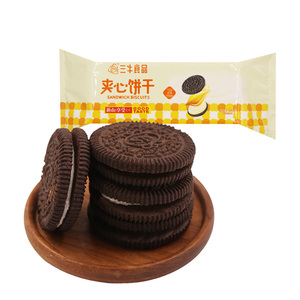
Sanniu Sweet Sandwich Biscuits Box 300g Healthy Snacks Chinese Food Exotic Crackers Biscuit Maker
Inquire Now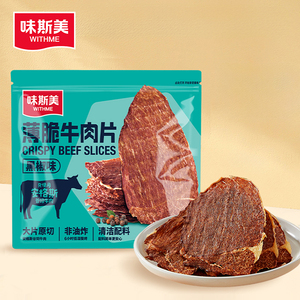
Chinese Spicy Snacks Wholesale 20g Bag individually packaged Black Pepper Flavor High Protein Dry Snacks Beef Jerky for Humans
Inquire Now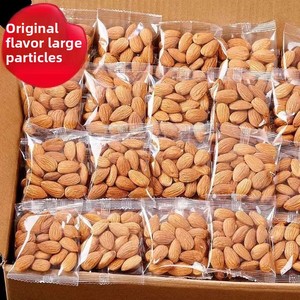
Almond Snacks 10g in Individual Small Packages Original Flavor Nut Snacks New Year Goods Wholesale & Delivery
Inquire Now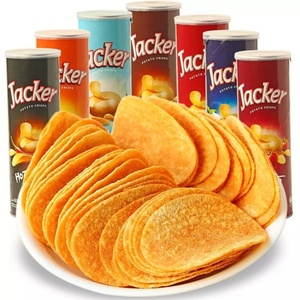
Wholesale Bulk Exotic Chips 70g Tasty Healthy Snack Exotic Snacks 180g Spicy Flavors Potato Chips with Can Package
Inquire Now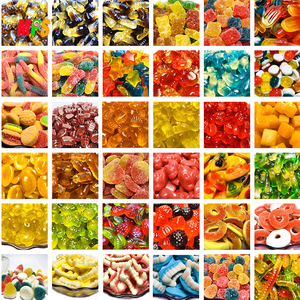
Wholesale Custom Halal Chinese Bulk Sweet Sour Flavor Jelly Gummy Sweets and Candies
Inquire Now
Star Shape Cartoon Character Lollipop Stick 30g x 24pcs Display Box Mixed Fruity Bulk Wholesale Snack
Inquire Now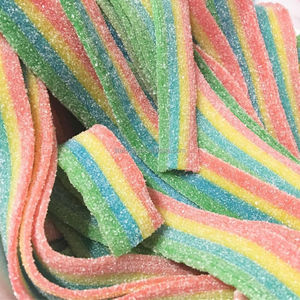
Wholesale Price High Quality Fruity Sweet Cartoon Shape Gummy Candy Halal Certified Snacks MiniCrush
Inquire Now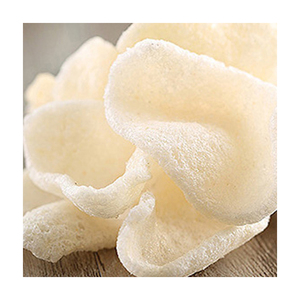
Factory Wholesale Crispy Prawn Crackers Seafood Snacks Customizable Flavors Bulk Packaging Health Snacks for Leisure
Inquire NowIndustrial Production Metrics & Capacity Framework
China's freeze-drying (FD) manufacturing landscape combines agricultural supply proximity with state-of-the-art sublimation physics to deliver institutional-grade food solutions.
Technical Architecture: Lyophilization & Sublimation Control
Understanding the engineering parameters that distinguish premier Chinese freeze-drying plants from conventional hot-air drying suppliers.
Sublimation Engineering & Blast Freezing Kinetics
Freeze-drying, or industrial lyophilization, removes moisture from perishables via direct ice-to-vapor phase transition, bypassing the liquid phase entirely. Leading Chinese freeze-dried manufacturers operate multi-stage industrial sublimators equipped with continuous vacuum systems maintaining internal pressures between 10 Pa and 50 Pa. The process begins with rapid cryogenic or mechanical blast freezing down to -40°C to -50°C, solidifying inter- and intra-cellular moisture into minute ice crystal structures. This rapid freezing prevents large ice crystal growth, safeguarding cellular walls, biological enzyme structures, and sensory properties.
During primary drying, thermal energy is gently supplied via radiant heating plates under deep vacuum conditions. Water vapor travels toward condensation coils operating at temperatures down to -55°C or lower. Secondary desorption drying subsequently strips bound water molecules, reducing final product water activity ($a_w$) to below 0.20 and moisture levels beneath 2.5%. This technical precision ensures shelf stability of up to 24 months without synthetic preservatives.
Information Gain: FD vs. AD vs. VF Processing Characteristics
For global procurement directors and private label buyers, choosing the appropriate thermal processing method represents a critical trade-off between unit economics, organoleptic quality, and nutrient retention.
| Process Parameter | Freeze-Drying (FD) | Air Dehydration (AD) | Vacuum Frying (VF) |
|---|---|---|---|
| Drying Temperature | -30°C to +40°C (Sublimation) | +60°C to +90°C (Thermal) | +80°C to +110°C (Oil Medium) |
| Final Moisture Content | ≤ 2.5% | 8.0% - 14.0% | 2.0% - 5.0% |
| Nutrient Retention Rate | > 96% (Vitamins & Amino Acids) | 40% - 60% (Heat Damage) | 65% - 75% |
| Rehydration Speed | Instant (< 30 seconds) | Slow (> 10 minutes) | Moderate / Non-rehydratable |
| Fat / Oil Content | 0% Added Oil | 0% Added Oil | 15% - 25% Residual Fat |
| Target B2B Application | Premium Snacks, Pet Nutrition, Reconstitution Ingredients | Low-cost Seasonings, Soup Mixes | Crispy Chips, Budget Leisure Snacks |
Enterprise Strengths & Institutional Quality Frameworks
Evaluating Chinese manufacturing capabilities from supply chain integration to international compliance certifications.
Global Regulatory Certifications
Tier-1 Chinese factories maintain comprehensive internationally recognized food safety management systems. Facilities are certified under BRCGS Food Safety (Grade AA/A), IFS Food Standard, HACCP, and ISO 22000. For specific religious and regional market compliance, export lines carry Halal (JAKIM/MUI) and Kosher certifications, enabling seamless market entry across the Middle East, Southeast Asia, Europe, and North America.
Agro-Cluster Integration & Cold Chain
Strategically located near major agricultural hubs in Shandong, Fujian, Zhejiang, and Sichuan, top manufacturers benefit from immediate access to orchard-fresh fruit harvest, high-protein seafood, and agricultural produce. Operating integrated IQF (Individually Quick Frozen) pre-treatment facilities, factories process incoming raw materials within hours of harvest, locking in peak sensory profiles and establishing complete batch traceability from farm to port.
In-House R&D & Custom Formulations
From custom slice thickness (1mm-10mm diced, granules, fine powders) to proprietary flavor coating technologies, in-house food technologists partner with global brand owners for turn-key OEM/ODM product engineering. R&D capabilities include allergen isolation, functional ingredient fortification (e.g., probiotics, prebiotics, collagen), and organoleptic testing to ensure products conform to target market palatability benchmarks.
Strategic Procurement & Future Market Trends (2026–2030)
Key market shifts driving freeze-dried snack innovation, packaging evolutions, and private-label contract manufacturing.
1. Clean-Label, Single-Ingredient, and Functional Fortification
Global consumer demand is rapidly shifting toward single-ingredient, clean-label snacks featuring zero artificial preservatives, additives, or added sugars. Freeze-drying retains up to 97% of natural antioxidants, bio-available vitamins, and dietary fibers, making it the ideal processing vehicle for natural snacking. Concurrently, forward-thinking brand owners are leveraging freeze-dried bases for functional ingredient delivery—incorporating micro-encapsulated probiotics, postbiotics, adaptogens, and botanical extracts into fruit dices and yogurt bites without thermally degrading bioactive compounds.
2. High-Barrier & Sustainable Recyclable Packaging Formulations
Because freeze-dried matrixes are intensely hygroscopic (water-attracting), specialized high-barrier flexible packaging is imperative to preserve crispness and prevent oxidative rancidity. Traditional aluminum foil laminates (PET/AL/PE) remain the benchmark for extended shelf life. However, modern ESG mandates are accelerating the adoption of mono-material recyclable films (such as PP/MDO-PE high-barrier structures) combined with online nitrogen gas flushing to maintain residual oxygen levels below 0.5%.
3. Hybrid Processing & Unit-Cost Optimization
To offset the significant energy intensity associated with industrial freeze-drying, progressive Chinese manufacturers are implementing hybrid freeze-drying/microwave-assisted vacuum drying (FD-MFD) setups. Pre-treating raw fruit or seafood vectors with mild osmotic dehydration or controlled partial air-drying reduces freeze-drying chamber duration by 20% to 35% without compromising product rehydration ratios or structural porosity. This hybrid methodology yields substantial unit-cost reductions for cost-sensitive enterprise buyers.
Frequently Asked Questions for B2B Procurement
Direct answers regarding order parameters, factory audits, packaging customization, and quality assurance.
Initiate Your Private Label Freeze-Dried Project
Partner with China's leading certified freeze-drying manufacturing facilities. Contact our B2B procurement team today for factory audit reports, technical specifications, and competitive wholesale volume quotes.