Featured Leisure & Seafood Snack Collections
Standardized B2B export formulations manufactured under international food safety audits. Tailored packaging, certified shelf-stability, and flexible wholesale MOQs.
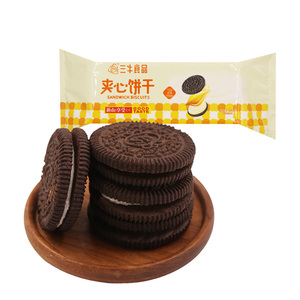
Sanniu Sweet Sandwich Biscuits Box 300g
Healthy oriental snack crackers featuring dual-layer crispy wafers and rich cream filling. Formulated for modern global leisure food buyers.
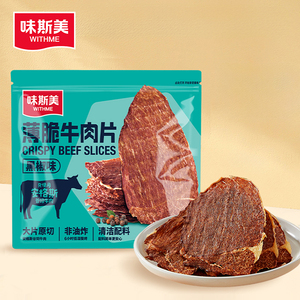
Chinese Spicy Snacks Wholesale 20g Bag Black Pepper Beef Jerky
Individually packaged high-protein dry savory strips seasoned with authentic cracked black pepper and oriental spices for grab-and-go retail.
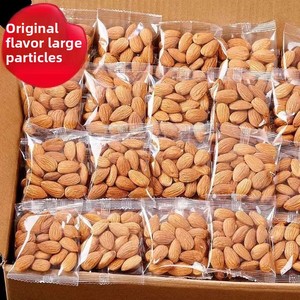
Almond Snacks 10g Individual Small Packages
Slow-roasted premium California almonds in single-serve Nitrogen-flushed sachets. Clean label, low-sodium roasted nut snacks for festive and daily retail.
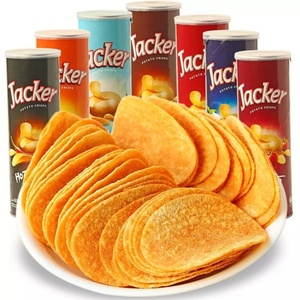
Wholesale Bulk Exotic Chips 70g/180g Spicy Potato Chips Canister
Crispy composite potato crisp canister lines with spicy and marine-infused flavor options. Nitrogen-sealed composite cans for maximum moisture protection.

Wholesale Custom Halal Sweet Sour Gummy Sweets & Candies
Certified Halal gelatin and pectin-based gummies offering vibrant fruity profiles. Formulated for moisture stability across tropical climate export routes.

Star Shape Cartoon Character Lollipop Stick 30g x 24pcs Display Box
Novelty confectionery featuring high-clarity molded hard candy stars. Packed in counter display boxes designed for high-turnover retail checkout counters.
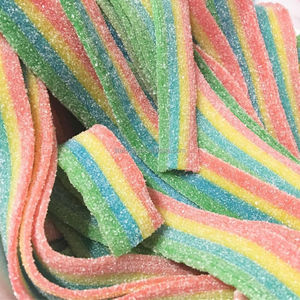
High Quality Fruity Sweet Cartoon Shape Gummy Candy MiniCrush
Precision-molded 3D character gummies produced with natural fruit juice concentrates. Compliant with strict European food colorant and additive mandates.
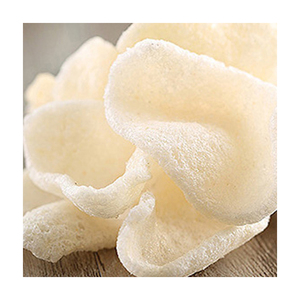
Factory Wholesale Crispy Prawn Crackers Seafood Leisure Snacks
Authentic marine seafood crackers expanded using advanced non-fried extrusion and microwave puffing. High genuine shrimp meat content with customizable seasoning.
The Evolution of China’s Seafood Snacks Manufacturing Landscape
The global marine and leisure food industry is undergoing a structural transformation driven by consumer demand for high-protein snacks, clean-label ingredients, and authentic oriental flavor profiles. As the world's largest producer and exporter of processed aquatic products, China has established an unparalleled industrial infrastructure that integrates deep-sea fishing fleets, automated coastal processing hubs, and state-of-the-art food technology R&D centers. For international buyers—ranging from supermarket chains in North America and Western Europe to rapid-delivery e-commerce platforms across Southeast Asia—partnering with top-tier Chinese seafood snack manufacturers offers distinct strategic advantages in cost efficiency, technological innovation, and regulatory compliance.
Historically centered around traditional sun-dried and heavily salted marine products, China’s seafood snack export sector has modernized aggressively over the past decade. Modern processing facilities in maritime hubs such as Zhejiang (Zhoushan), Shandong (Qingdao and Yantai), Fujian, and Guangdong now operate automated lines utilizing microwave vacuum drying, cryogenic puffing, enzymatic hydrolysis, and high-pressure retort sterilization. These technological upgrades allow manufacturers to preserve the delicate umami flavor and naturally occurring nutrient profiles (including Omega-3 fatty acids, taurine, and marine collagen) of marine raw materials while ensuring shelf stability without relying on artificial chemical preservatives.
Precision Processing & Raw Material Security
Leading exporters maintain direct contract relationships with MSC (Marine Stewardship Council) and ASC (Aquaculture Stewardship Council) certified fisheries. By securing raw materials—such as Pacific jumbo squid (Dosidicus gigas), whiteleg shrimp (Penaeus vannamei), seaweed (Porphyra yezoensis), and pollack (Theragra chalcogramma)—directly at dockside landing facilities, manufacturers minimize volatile spot-market price risks and guarantee uninterrupted supply chains for large-scale retail OEM buyers.
Furthermore, automated cold-chain logistics hubs integrated into coastal factories ensure that raw catches are rapidly frozen at -35°C within hours of harvesting. This strict cold-chain continuity prevents enzymatic degradation and lipid oxidation, laying the foundation for premium finished seafood snacks with superior crunch, flavor clarity, and extended shelf life.

Industrial Infrastructure & Quality Assurance Protocols
To fulfill the stringent compliance demands of tier-one global importers, leading Chinese seafood snack exporters operate under fully integrated, international food safety management systems. Factory infrastructure is engineered around cleanroom standards (ISO Class 8 / Class 100,000 positive-pressure cleanrooms), preventing cross-contamination during seasoning, slice-cutting, and packaging phases.
1. Automated Raw Material Sorting
Optical sorting machines and X-ray foreign body detectors inspect incoming shrimp, squid, and fish fillets to eliminate shell fragments, bone debris, and foreign physical impurities.
2. Controlled Thermal Processing
Utilizing continuous microwave dehydration and hot-air convection roasters with digital micro-climate monitoring to stabilize moisture content below 5% ($a_w < 0.60$).
3. In-House Laboratory Screening
Every production lot undergoes rigorous microbiological screening (Salmonella, Listeria, E. coli), heavy metal detection (Lead, Cadmium, Arsenic, Mercury), and histamine testing.

Global Food Safety & Regulatory Accreditation
Enterprise credibility in international food B2B procurement hinges on third-party certification verification. Top manufacturers maintain comprehensive quality management systems validated annually by international auditing firms (such as SGS, Bureau Veritas, and Lloyd's Register).
- BRCGS Global Standard for Food Safety (Grade A/AA): Authorizes direct supply eligibility for mainstream European and North American grocery retailers.
- IFS Food Standard: Ensures full compliance with German, French, and Southern European supermarket audit protocols.
- US FDA FSVP & Registration: Complete compliance with the Food Safety Modernization Act (FSMA), including mandatory HARPC documentation.
- Halal Certification (JAKIM / MUI / IFANCA): Dedicated production lines guaranteeing alcohol-free, pork-free processing for Islamic distribution markets globally.
Macro Procurement Trends Shaping Seafood Snacks (2026–2030)
Strategic sourcing professionals must anticipate consumer preference shifts and technical innovations to maintain market differentiation. Based on empirical retail sell-through data and manufacturing R&D investments, four macro trends define the future of seafood snacks:
1. Non-Fried Vacuum Dehydration & Crisping
Consumer backlash against ultra-processed oils is accelerating the phase-out of traditional deep-fried prawn crackers and fish skins. Future procurement is pivoting toward Microwave Vacuum Puffing (MVP) and Low-Temperature Vacuum Frying (VF). These technologies reduce oil content by up to 70% while producing an ultra-crispy cellular structure that retains the raw ingredient’s original protein integrity and bright color.
2. Asian Fusion & Flavor Crossover Innovations
Ethnic flavor exploration continues to outpace standard sea-salt seasonings. Importers are aggressively requesting complex regional Asian flavor matrices, including Szechuan Mala Pepper, Salted Egg Yolk, Wasabi Nori, Thai Tom Yum, and Sweet-Sour Glazes. OEM manufacturers with in-house flavor chemistry laboratories offer custom dry-rub and liquid-glaze coatings tailored to regional consumer palates.
3. Sustainable Packaging & Recyclable Laminates
With extended producer responsibility (EPR) legislation expanding across the EU and North America, traditional non-recyclable PET/ALU/PE foil pouches are being replaced. Advanced manufacturers now supply Recyclable Mono-PE Doypacks and High-Barrier Paper-Plastic Laminates that deliver oxygen transmission rates ($OTR < 1.0 \text{ cc/m}^2/\text{day}$) sufficient to prevent rancidity over an 18-month shelf life.
4. Functional Marine Nutrient Fortification
Seafood snacks are transcending the traditional indulgence category to position themselves as functional health snacks. Manufacturers are formulating fish crisp and squid products enriched with hydrolyzed marine collagen peptides, dietary fiber, calcium from micro-ground fish bone powders, and keto-friendly zero-carb profiles to attract wellness-conscious consumers.
Comprehensive Seafood & Leisure Snack Specification Guide
The following reference table provides international buyers with standard engineering, packaging, and logistical specifications across key seafood and leisure snack categories manufactured in China:
| Product Category | Primary Raw Materials | Processing Technology | Moisture ($a_w$) | Standard Packaging | Shelf Life | Standard MOQ |
|---|---|---|---|---|---|---|
| Prawn Crackers / Crisps | Fresh Shrimp Meat, Tapioca Starch | Extrusion & Microwave Puffing | $< 0.45$ | Nitrogen-Flushed Foil Pouch / Canister | 12–18 Months | 300 Cartons |
| Shredded Squid & Octopus | Pacific Jumbo Squid, Sea Salt | Hot-Air Roasting & Mechanical Shredding | $< 0.65$ | Vacuum-Sealed Transparent / Foil Bag | 12 Months | 500 kg |
| Spicy Beef & Savory Jerky | Lean Beef Fillet, Oriental Spices | Marination, Dehydration & Retort | $< 0.70$ | Individually Wrapped Mini Sachets | 12 Months | 500 Cartons |
| Nut & Almond Mixes | Nonpareil Almonds, Sea Salt | Precision Dry Roasting | $< 0.35$ | Single-Serve Nitrogen Sachets (10g–30g) | 12 Months | 1,000 Boxes |
| Halal Confectionery & Gummies | Halal Gelatin / Fruit Pectin | Starch-Molding & Oil Glazing | $< 0.60$ | Bulk Carton / Printed Retail Pouches | 18–24 Months | 1,000 kg |
* Note: Custom private-label packaging sizes, proprietary seasoning formulations, and specialized export master carton dimensions (pallets compatible with Euro-pallets or US GMA standard) are fully configurable upon OEM consultation.
B2B Buyer Guide: Navigating Supply Chains & OEM Private Labeling
Successfully executing a high-volume private label snack project with a Chinese exporter requires a structured procurement roadmap. Below are critical strategic steps recommended by international trade specialists to mitigate supply chain risks:
1. Specification Freeze & Laboratory Prototyping
Before issuing a production purchase order (PO), buyers should finalize target product specifications—including moisture content, salt percentages, oil pick-up rates, and physical crunch metrics (measured via texture analyzer in grams of force). Experienced manufacturers will produce lab-scale benchtop samples followed by a pilot factory trial run to verify sensory and shelf-life parameters.
2. Packaging Barrier Selection & Climate Suitability
Seafood snacks are exceptionally sensitive to moisture absorption and oxidative rancidity caused by light and oxygen exposure. For shipments bound for tropical climates (e.g., Middle East, Central America, Southeast Asia), buyers must specify high-barrier metalized PET or aluminum foil laminates paired with desiccant or active oxygen-absorber inserts to guarantee crispness retention throughout ocean freight transit.
3. Regulatory Label Compliance & Health Certification
Export documentation must strictly align with destination country food authority mandates (such as US FDA, EU EFSA, GCC GSO, or Australian Department of Agriculture). Top Chinese exporters provide comprehensive regulatory support, including Ingoing Ingredient Percentage Breakdown Statements, Certificate of Analysis (COA), Official Health Certificates issued by China Customs (GACC), and Free Sale Certificates.
Frequently Asked Questions for B2B Importers
Clear answers to common operational, technical, and logistics questions encountered when sourcing seafood snacks from China.
What is the typical production lead time for OEM private-label seafood snack orders?
How do manufacturers ensure heavy metal and toxin compliance in raw marine catches?
Can we customize flavor profiles and spice levels for specific regional markets?
What are the standard Minimum Order Quantities (MOQ) for custom-printed retail bags?
What export certifications and trade documentation are provided with ocean shipments?
How are products protected against moisture degradation during ocean container transit?
Are facilities audited for social compliance and ESG standards?
Partner with China’s Leading Seafood Snack Exporter
Elevate your retail product portfolio with premium, certified seafood and leisure snacks. Request comprehensive technical catalogs, custom OEM quotes, or factory audit schedules today.