High-Demand Wholesale Healthy Treats & Snacks
Direct factory bulk supply, customizable packaging formats, and validated nutritional compliance for international retail chains and importers.
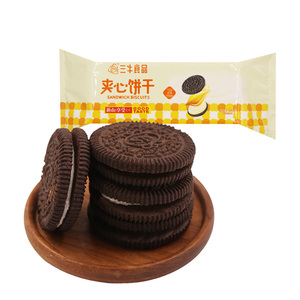
Sanniu Sweet Sandwich Biscuits 300g Healthy Snack Box
- Low Trans-Fat Bakery Tech
- Custom Filling Flavors
- 300g Gift Retail Box
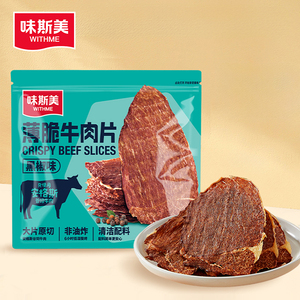
Wholesale High-Protein Black Pepper Dried Beef Jerky 20g
- High Muscle Density Protein
- Micro-Encapsulated Spices
- Single-Serve Nitrogen Pack
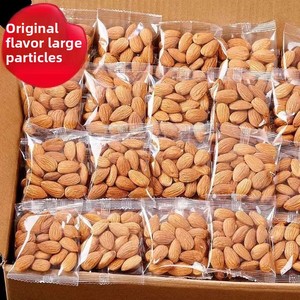
Premium Almond Nut Snacks 10g Individual Sachet Packs
- Dry-Roasted Non-GMO Nuts
- Oxygen Barrier Foil Wrapper
- Bulk Gift Box Ready
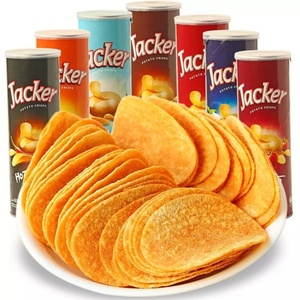
Low-Oil Exotic Spicy Potato Chips 70g/180g Canister
- Vacuum Dehydration Tech
- Crisp Texture Retention
- Sealed Composite Canister
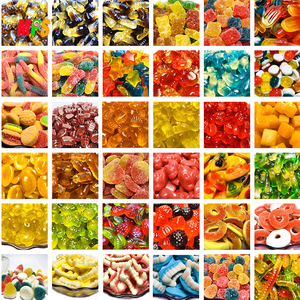
Halal Certified Sweet & Sour Fruit Jelly Gummy Sweets
- Pectin & Bovine Gelatin Base
- Real Fruit Juice Extract
- Halal & HACCP Verified

Star Shape Cartoon Character Lollipops 30g x 24pcs Display
- Low-Cariogenic Isomalt Option
- Vibrant Natural Colorants
- POP Counter Display Box
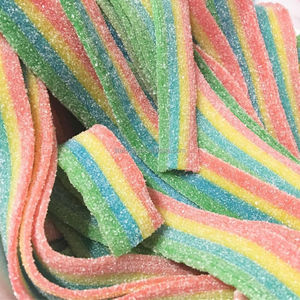
MiniCrush Halal Cartoon Shape Assorted Fruit Gummy
- Fortified with Vitamin C
- Zero Artificial Preservatives
- Bulk OEM Retail Bags
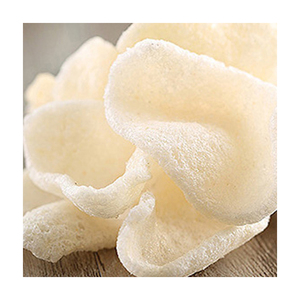
Crispy Prawn Crackers Authentic Seafood Leisure Snacks
- Real Shrimp Content Formula
- Low-Oil Flash Puffing
- Customizable Seasoning
Navigating the Global Shift in Healthy Treat Manufacturing: China's Industrial Evolution
The global snack food landscape is undergoing a structural paradigm shift driven by consumer demand for nutrient-dense, clean-label, and functional food products. B2B procurement managers, brand owners, and retail buyers are increasingly prioritizing manufacturing partners who can combine high-throughput cost efficiency with rigorous international compliance, precise macronutrient delivery, and advanced thermal processing technologies.
China has firmly established itself as the global powerhouse for contract food manufacturing and private label snack production. The country's healthy treat manufacturing sector has evolved far beyond basic assembly lines into automated, high-precision industrial hubs operating certified Class 100,000 dust-free workshops, vacuum dehydration chambers, twin-screw extrusion systems, and real-time gas chromatography laboratory monitoring.
Key Insight for Strategic Procurement: Modern healthy treat OEMs in China do not merely offer toll packaging; they act as strategic formulation hubs capable of reducing water activity ($a_w \le 0.65$), eliminating synthetic additives, and customizing functional delivery matrices—such as prebiotic fiber fortification, plant-based protein enrichment, and heat-stable probiotic incorporation.
To successfully capture market share in competitive regions like North America, Europe, and the Middle East, global brand owners require a manufacturing partner capable of navigating complex regulatory frameworks (FDA FSMA, BRCGS Food Safety Issue 9, IFS Food V8, Halal, and ISO 22000) while guaranteeing strict batch-to-batch nutritional uniformity.
Why Leading Global Brands Partner with China's Premier Snack Factories
Integrated R&D & Formulation Labs
In-house food technologists specialize in functional ingredient interaction, flavor masking of high-protein concentrates, moisture migration control in multi-layer biscuits, and natural color preservation under extrusion heat.
Certified Cleanroom Manufacturing
Our production facilities utilize positive-pressure cleanroom environments with HEPA air filtration systems, automatic temperature and humidity stabilization, and automated CIP (Clean-in-Place) sanitation loops.
Global Compliance & Traceability
Complete batch traceability from raw ingredient intake to finished export shipping containers. Audited compliance across BRCGS Grade AA, IFS, Halal, HACCP, and US FDA Food Facility Registration.
Technical Formulations Across Healthy Treat Segments
A comprehensive overview of production methods, barrier packaging technologies, and nutritional engineering applied across our major product lines.
1. Functional Baked Goods & Low-GI Sandwich Biscuits
Traditional high-sugar biscuit production is being replaced by slow-release, low-glycemic index (GI) bakery science. Our automated rotary molding and baking tunnel lines utilize modified starch matrices, whole-grain oat flours, and natural polyol sweeteners (such as erythritol and maltitol) to produce sweet sandwich biscuits that minimize blood glucose spikes. Water activity ($a_w$) is strictly maintained below 0.30 to ensure extended shelf life without artificial preservatives.
2. High-Protein & Meat Snacking Solutions
Meat-based snacks, including dehydrated beef jerky and savory meat sticks, require precise thermal lethality validation to eradicate pathogens such as Salmonella and Listeria monocytogenes while preserving muscle tenderization. Utilizing micro-encapsulated black pepper and natural spice oleoresins, our vacuum-drying process locks in bioavailable iron and amino acids while keeping fat oxidation (Rancimat value) well below industrial thresholds.
3. Hydrocolloid-Based Confectionery: Halal Gummies & Jelly Sweets
The global gummy supplement and healthy candy market demands non-GMO, clean gelation matrices. Our automated depositing lines support both pectin (plant-derived) and high-bloom bovine gelatin (Halal-certified). We specialize in sweet and sour flavor profiles utilizing natural malic and citric acid coatings, fortified with heat-sensitive bio-actives like Vitamin C, Zinc, and Elderberry extract injected via late-stage dosing systems.
4. Low-Oil Extruded Seafood & Vegetable Chips
Moving away from traditional deep-frying, our factory employs atmospheric and vacuum-puffing technologies for prawn crackers, potato chips, and exotic botanical snacks. Seafood-based snacks incorporate authentic shrimp meat paste (up to 35% concentration) to deliver rich umami flavor alongside high natural chitin and protein, achieving exceptional crispness with up to 60% less absorbed oil than conventional fried chips.
Contract Manufacturing Technical Matrix
Quantitative benchmarks for procurement engineers and global sourcing directors.
| Product Category | Core Processing Tech | Available Packaging Formats | Target Water Activity ($a_w$) | Shelf Life Range | Standard Lead Time |
|---|---|---|---|---|---|
| Sandwich Biscuits | Rotary Molding / Convection Tunnel | Pillow Pack, Tray Box, Tin Can | 0.25 - 0.35 | 12 - 18 Months | 25 - 30 Days |
| High-Protein Beef Jerky | Vacuum Drying / Smoke Injection | Nitrogen-Flushed Pouch, Sachet | 0.55 - 0.65 | 12 Months | 30 - 35 Days |
| Halal Gummy Sweets | Starchless MOGUL Depositing | Bulk Bag, Stand-up Doypack, Jar | 0.60 - 0.70 | 18 - 24 Months | 20 - 25 Days |
| Prawn & Seafood Crackers | Flash Puffing / Dehydration | Composite Can, Nitrogen Bag | 0.20 - 0.30 | 12 Months | 20 - 25 Days |
| Individual Nut Packs | Dry Roasting / Nitrogen Flush | Multi-Layer Barrier Foil Sachet | 0.15 - 0.25 | 12 Months | 15 - 20 Days |
Future B2B Procurement Trends in the Healthy Treat Sector
As retail channels become increasingly competitive, procurement strategies must align with long-term macroeconomic and consumer trends. OEM factories in China are pioneering advancements across four key operational pillars:
1. Sustainable & Recyclable Packaging Formats
Regulatory mandates in the EU (PPWR) and North America are forcing brands to transition away from complex multi-material laminates. Modern manufacturing lines now support recyclable Mono-PE and Mono-PP doypacks, biodegradable PLA film structures, and lightweight tinplate containers without sacrificing moisture barrier property or oxygen protection.
2. Ultra-Clean Label & Sugar-Reduction Tech
Consumers actively inspect nutritional facts panels for synthetic E-numbers and added high-fructose corn syrup. Sourcing trends prioritize formulation strategies that utilize natural fruit concentrates, botanical pigments (spirulina, beetroot, paprika), and non-nutritive, plant-derived sweeteners like monk fruit and stevia.
3. Precision Micro-Dosing of Functional Additives
Snacks are transforming into active wellness delivery vehicles. Advanced factory mixing systems enable precise micro-dosing of postbiotics, marine collagen peptides, L-theanine for stress support, and dietary fibers (inulin, resistant starch) while preserving natural texture and taste profile stability.
4. Agile Small-Batch Prototyping & Quick Turnaround
Fast-moving direct-to-consumer (D2C) brands and agile retail buyers require lower Minimum Order Quantities (MOQs) for pilot market testing. Tier-1 Chinese factories are responding by modularizing production lines, enabling rapid die swaps, digital short-run printing, and accelerated sample approval cycles within 7-10 days.
Frequently Asked Questions for B2B Importers & Brand Owners
Clear, direct technical answers regarding contract manufacturing, quality assurances, and custom formulations.